
Last updated November 23, 2026
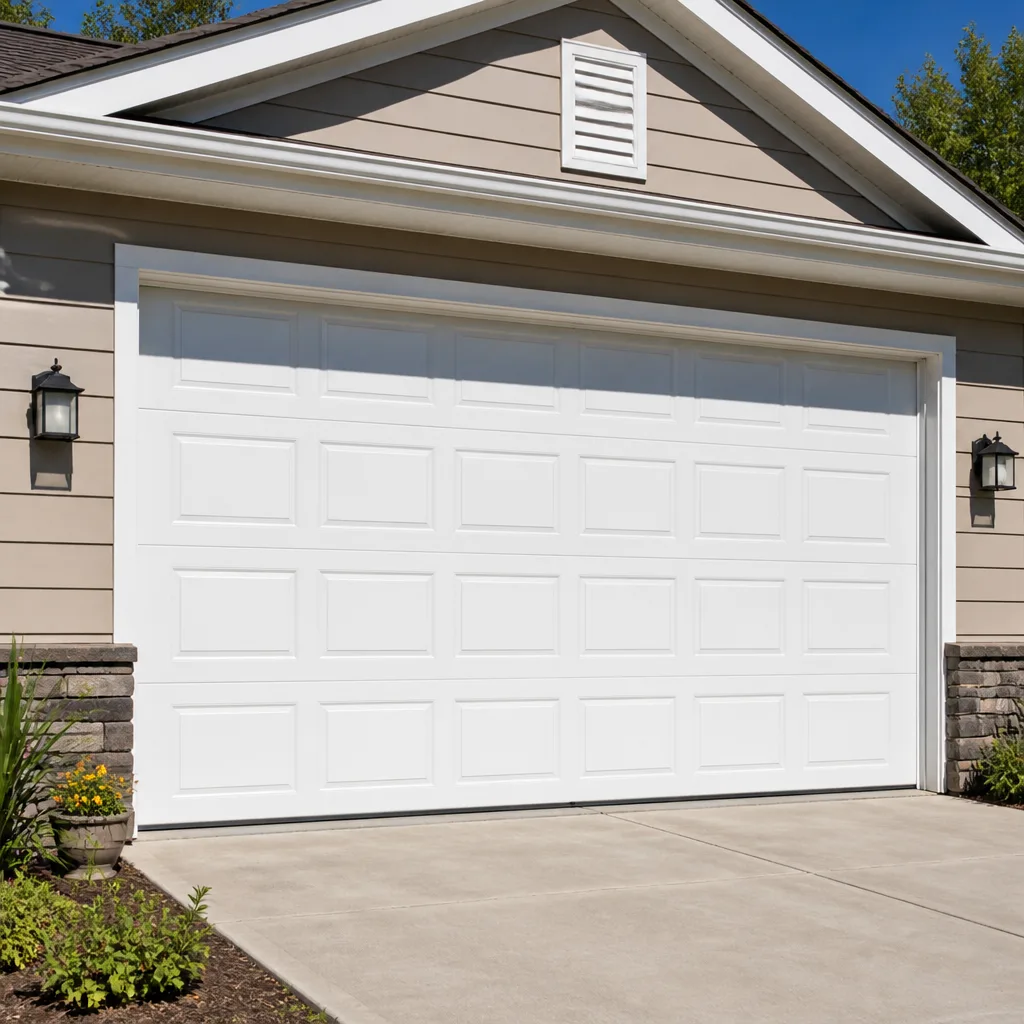 Raised-panel steel
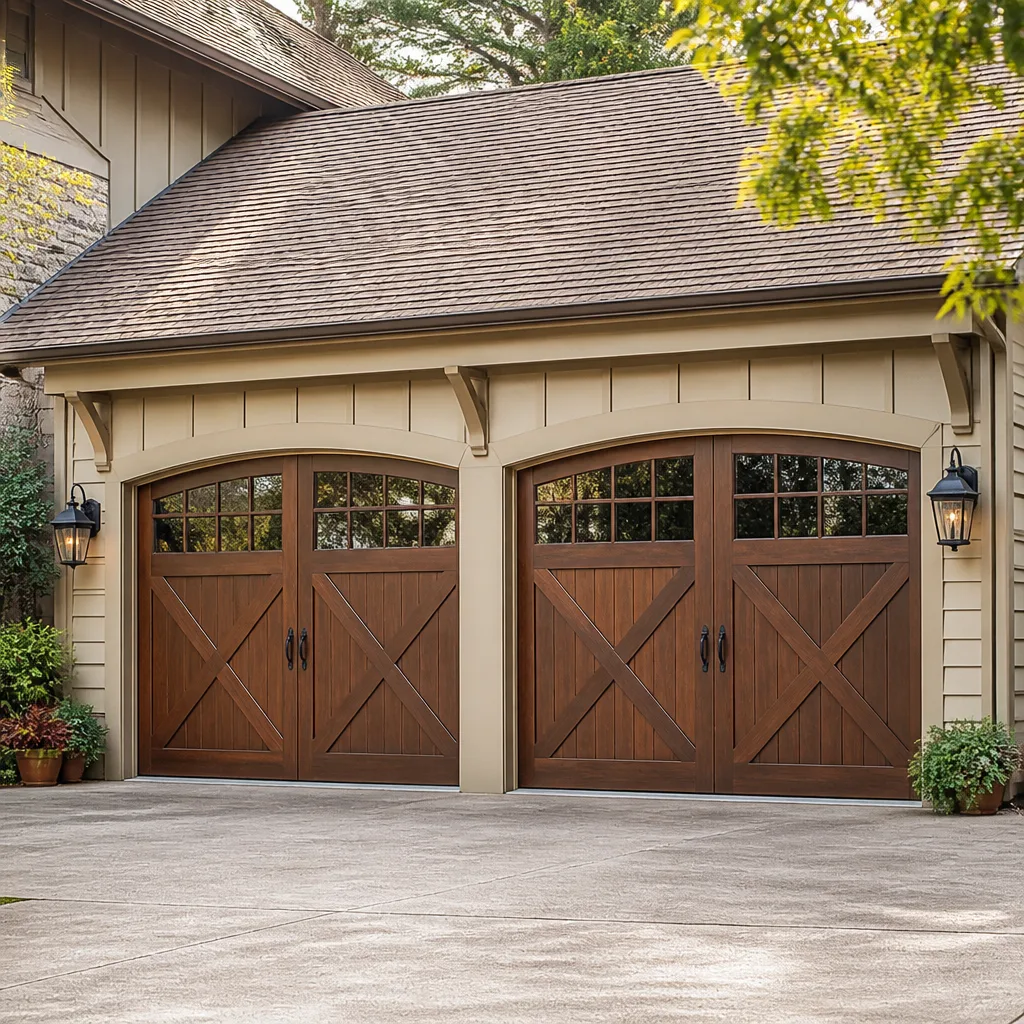 Carriage house
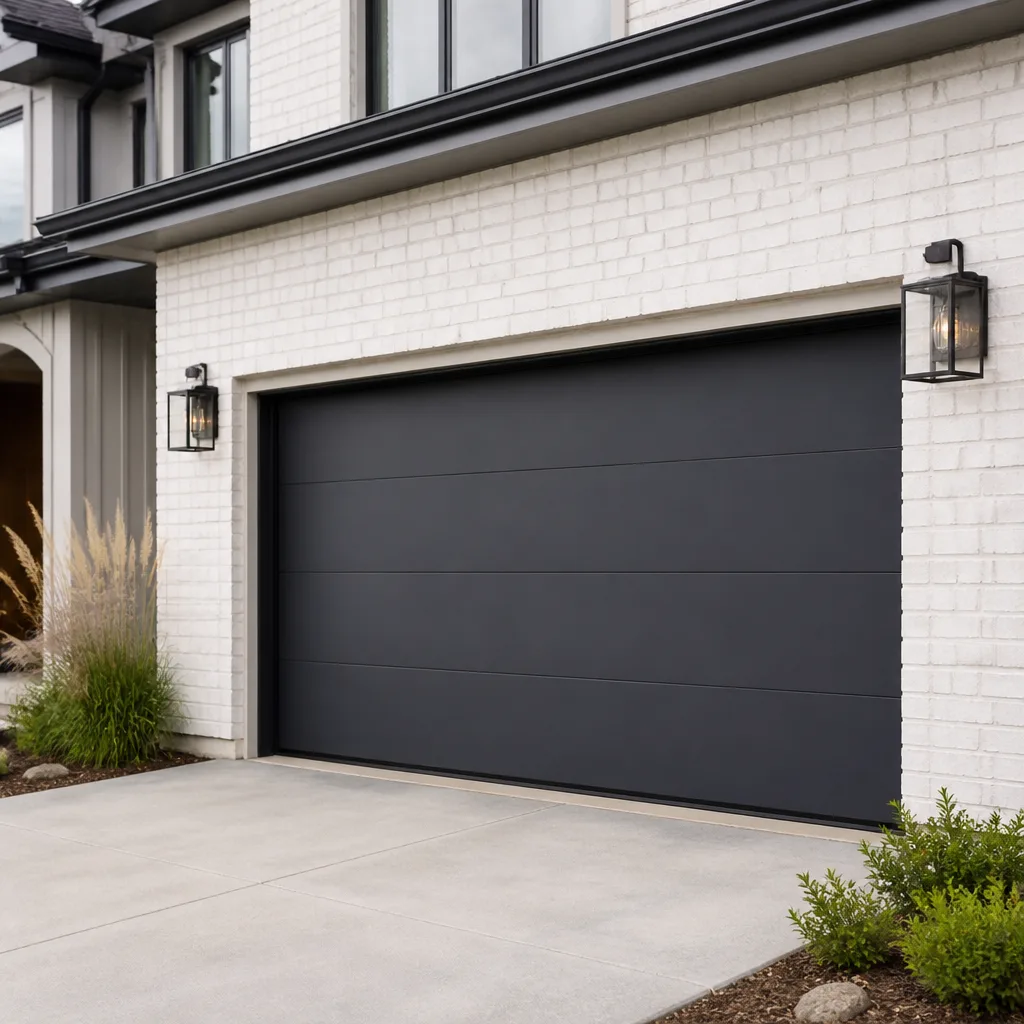 Modern flush
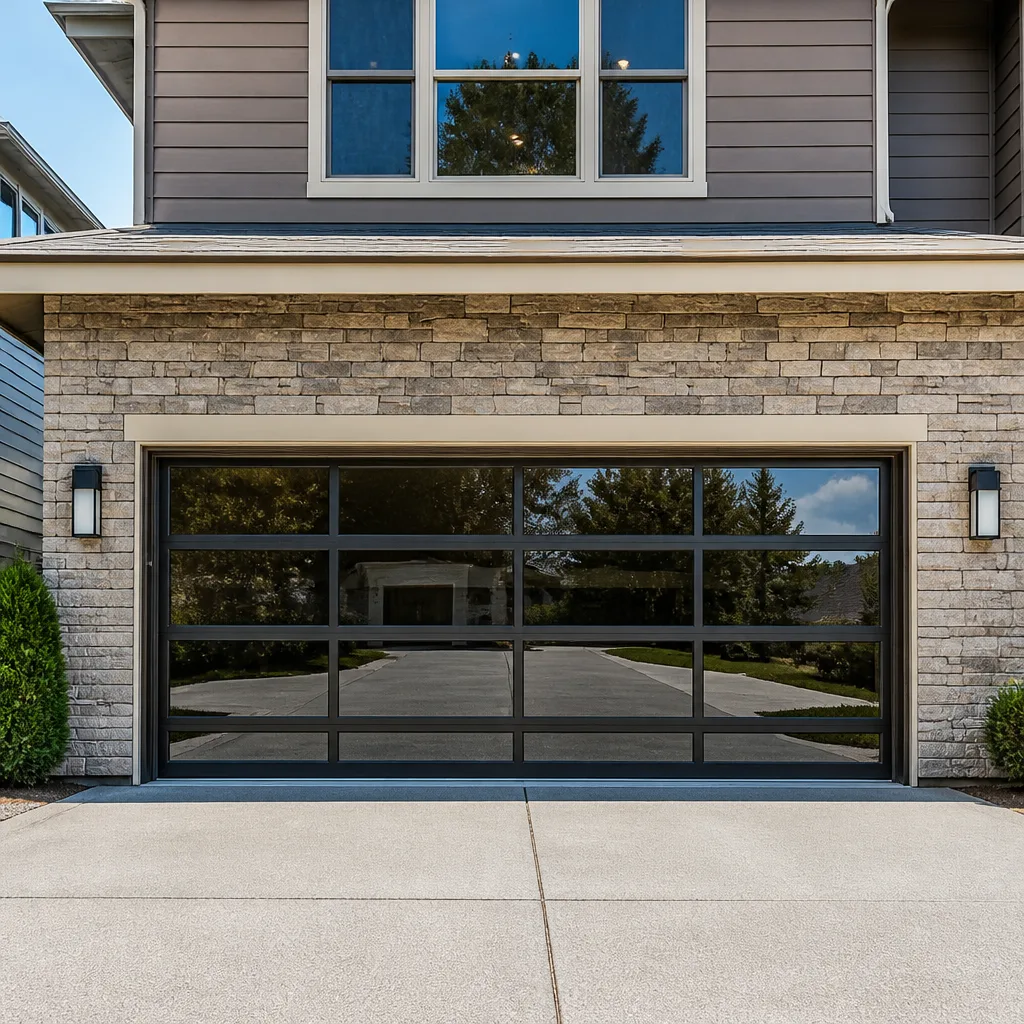 Full-view glass
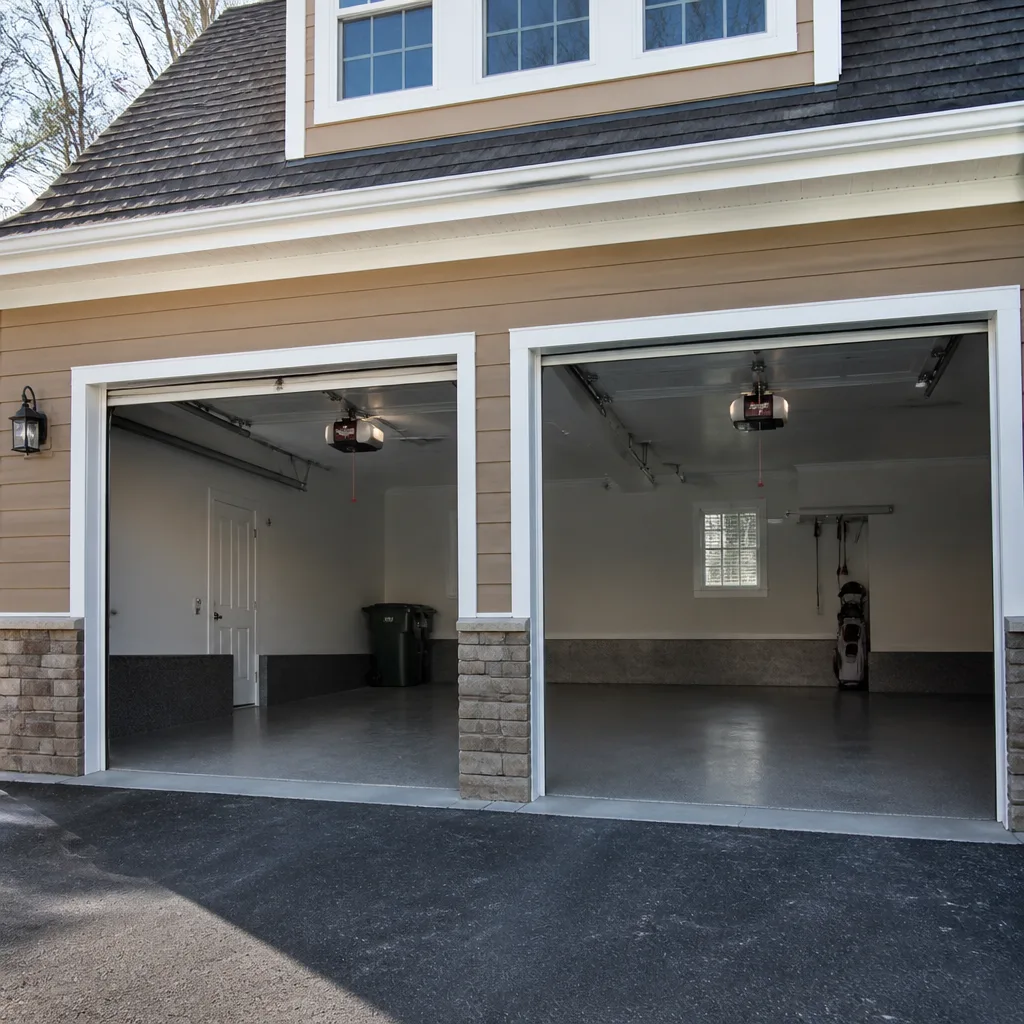 LiftMaster openers
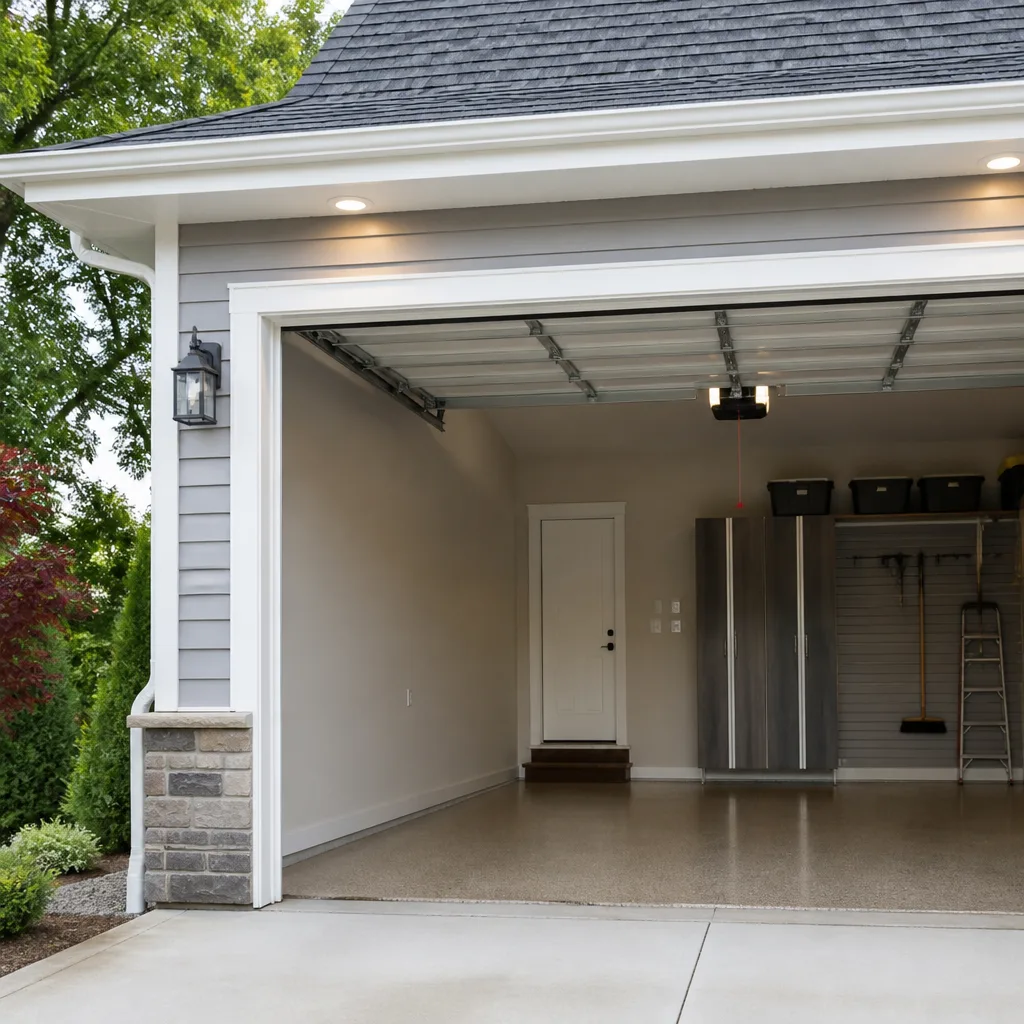 Chamberlain openers
Full 25-point door and opener safety check with every visit - springs, cables, rollers, tracks, and your LiftMaster or Chamberlain opener included
You get a price before we start. It does not change when the pro arrives.
Get your free estimateSeasonal Garage Door Care for Wallingford: Year-Round Homeowner’s Guide
Most homeowners assume a garage door fails because it got old. In Wallingford, that’s rarely the whole story. What actually happens is that the door meets a different enemy in every season: January’s contracted metal and frozen thresholds, April’s freeze-thaw mess, August’s humidity swelling wood panels and softening seals, and October’s wind-driven debris jamming tracks. Care for the door in the wrong season and you miss the failure entirely. Care for it in the right one and you prevent it. This guide maps the specific tasks to the specific stress, so you know what to check and when. We’ll walk through the four seasons of a Wallingford garage door, what breaks first, and why.
Quick Answer
Seasonal garage door care in Wallingford means matching your inspection to the climate stress of each period: a fall prep in October and November to prevent cold-weather cable and spring failure, a spring inspection in March and April to catch freeze-thaw damage, a summer humidity check on wood panels and seals, and a post-storm look at tracks and opener mounts two to three weeks after the event. The single most important task is a pre-winter lubrication and balance check, because most cold-weather failures start with a door that was already tight, dry, or off-balance before the first freeze.
Styles & brands we work with
- Raised-panel steel
- Carriage house
- Modern flush
- Full-view glass
- LiftMaster openers
- Chamberlain openers
Table of Contents
- Why Wallingford’s Seasons Break Doors Differently
- Winter: Cold-Contracted Metal and Frozen Thresholds
- Fall Prep: The Three Tasks That Prevent Winter Failure
- Spring Inspection: The Post-Freeze Checklist in Failure Order
- Summer: Humidity, Wood Panels, and Seal Compression
- After a Major Storm: What Shows Up Two to Three Weeks Later
- Does Your Brand Change the Seasonal Routine?
- When Seasonal Care Turns Into a Repair Call
Why Wallingford’s Seasons Break Doors Differently
A garage door is a large steel or wood assembly under constant spring tension, riding on wheels in a track, driven by an opener motor. Every material in that system expands and contracts at a different rate as the temperature swings. In Wallingford, the swing between a frozen January night and a humid August afternoon is wide enough that the parts don’t move together. That mismatch is what wears things out.
Consider the mechanics of a cold snap. Steel contracts. A door panel that sat flush in October can pull a fraction of an inch tighter in a hard freeze, and if the bottom seal has swollen against a frozen threshold, the opener is now fighting the ice as well as the door’s weight. The cables take the extra load. If those cables are already fatigued or a spring has lost tension, that’s the moment something gives.
Now think about summer. Wood panels absorb moisture and swell, and the seams where panels meet can bind. Rubber bottom seals soften and take a compression set. Steel doors behave differently: the panels stay dimensionally stable, but the seal and the weatherstripping around the frame are still rubber, and rubber degrades with heat and humidity regardless of what the door is made of. The failure modes in February and August genuinely have nothing in common.
That’s why a generic “check your door twice a year” reminder undersells what Wallingford doors actually need. The town sits in a climate with four distinct stress periods, and each one tests a different part of the system. Seasonal care isn’t a calendar ritual. It’s a targeted response to what the weather is currently doing to your door. If you remember one thing from this guide, make it this: the task you do in October prevents the failure you’d otherwise face in January. For any repair work that goes beyond maintenance, our Garage Door Repair Wallingford page covers the full scope.
Winter: Cold-Contracted Metal and Frozen Thresholds
Winter is the season that produces the most emergency calls, and the reason is mechanical rather than mysterious. Two things happen at once: metal contracts and the threshold at the bottom of the door freezes. A door that runs smoothly in mild weather suddenly meets resistance both from its own tightened components and from ice the opener can’t break through. The load transfers to the weakest link, which is usually a cable, a spring, or a hinge.
Here’s what’s actually failing in a Wallingford winter, in rough order of likelihood:
- Cables. Cold-contracted metal plus a swollen door tight against a frozen threshold means the cables carry more tension than they did in October. Fatigued cables snap.
- Springs. Springs lose tension in cold weather, and a weakened spring makes the opener work harder, which stresses everything downstream.
- Bottom seal and threshold. A seal that’s compressed and frozen to the concrete can rip or tear free when the door lifts.
- Opener force settings. A door that needs more force to open in the cold can trip the opener’s safety reverse, leaving the door half-open and the house exposed.
- Hinges and rollers. Lubricant thickens in cold, and dry hinges bind.
The preventive work for winter happens in the fall, covered in the next section. Once the cold arrives, your job shifts to monitoring. Listen to the door. A groan, a hesitation, or a door that reverses partway up is telling you the system is overloaded before it fails. Don’t force a frozen door with the opener. If the bottom seal is frozen to the threshold, the opener is trying to lift the concrete along with the door.
This is where a professional inspection earns its keep. Spring and cable work is genuinely dangerous, and we treat it that way. High-tension springs and cables can cause serious injury if handled without the right tools and protocol, so a trained technician should assess a strained system rather than a homeowner. Our garage door spring repair covers the safety-critical side of that work.
Fall Prep: The Three Tasks That Prevent Winter Failure
Fall prep is the highest-value maintenance window of the year in Wallingford, because the work you do in October and November is what stands between you and a January failure. Three tasks do most of the preventing. Each one works for a specific mechanical reason, not because it’s on a checklist.
- Lubricate the moving parts. Apply a garage-door-specific lubricant to the hinges, rollers, and spring coils. The mechanical reason: cold thickens lubricant and dry metal binds. A properly lubed hinge and roller assembly keeps the door moving freely even as temperatures drop, which keeps the load off the cables and springs. Skipping this is the most common cause of a stiff winter door.
- Test the balance. Disconnect the opener and lift the door halfway by hand. It should stay in place. If it drops or rises on its own, the spring tension is off. The mechanical reason: an unbalanced door forces the opener to compensate for the spring’s job, and in cold weather that extra load is exactly what snaps cables. Balance is the early warning system for spring trouble.
- Inspect and clear the threshold and seal. Check that the bottom seal isn’t torn, cracked, or sitting unevenly, and clear debris from the concrete where the door meets it. The mechanical reason: a damaged seal traps moisture that freezes into a bond between door and floor, and that bond is what turns a routine opening into a cable-snapping event.
While you’re at it, check the weatherstripping around the door frame and look for daylight coming through. Gaps let cold air in and moisture settle, and moisture is the enemy in a freeze-thaw climate. A few minutes with a lubricant can and a flashlight in October is worth more than any emergency call in January. If you’d rather have the whole system checked by someone who does it regularly, we offer free estimates and can walk the door with you. For opener-specific checks, our garage door opener repair page covers force settings and safety reverse testing.
Spring Inspection: The Post-Freeze Checklist in Failure Order
Once the ground thaws and the freeze-thaw cycle settles, your door has been through its hardest season. Spring is when hidden damage surfaces. The trick is to inspect in order of failure likelihood, not alphabetically, because the parts that fail most often deserve your attention first.
Work through this sequence in March or April:
- Cables and springs. These are the parts most likely to have been stressed over winter. Look for fraying at the cable ends, gaps in the spring coils, or a door that no longer balances. This is where the winter damage usually lives.
- Rollers and hinges. Check for flat spots on rollers and loose or bent hinges. Freeze-thaw vibration and cold binding accelerate wear here next.
- Tracks. Look for bends, dents, or sections that have pulled away from the wall. The freeze-thaw cycle moves the ground and the structure slightly, and tracks can shift out of alignment.
- Bottom seal and weatherstripping. A seal that sat frozen to the threshold all winter is a candidate for tearing or compression damage. Replace it before summer humidity makes it worse.
- Opener and safety reverse. Test the safety reverse by placing an object in the door’s path, and check that the opener’s force settings are still appropriate now that the door moves freely again.
The logic behind the order matters. Cables and springs are the parts that, if they fail, create both a safety hazard and a door that won’t open at all. Tracks and seals are annoying when they go but less urgent. The opener sits last because most of its problems trace back to the door itself being out of balance. If the balance test in fall was borderline, spring is when you’ll know whether it held.
Spring is also a good time to look at the door’s overall condition if it’s getting on in years. A door that’s been repaired repeatedly may be telling you something. We help homeowners weigh repair against replacement, and we install new doors from Clopay and Amarr, among others, when that’s the better call.
Summer: Humidity, Wood Panels, and Seal Compression
Summer in Wallingford brings a different set of stresses, and they hit wood and steel doors in different ways. The humidity is the driver. Where winter is about contraction and ice, summer is about absorption and swelling, and the parts that soak up moisture behave very differently from the parts that don’t.
Wood panels are the most humidity-sensitive component of any door. Wood absorbs moisture from humid air and swells. The swelling shows up first at the seams where panels meet, where the wood can bind against its neighbors, and at the frame, where a swollen panel can rub. Over many summers the swelling and drying cycle opens small cracks and stresses the finish. A steel door doesn’t do this: the panels stay dimensionally stable, so you won’t see the same binding. But steel doors have their own summer issue, because the rubber bottom seal and the weatherstripping around the frame are still vulnerable to heat and humidity no matter what the panels are made of.
Seal compression is the overlooked summer problem. A rubber bottom seal softens in the heat and takes a compression set, meaning it stays flattened against the floor rather than springing back. Once it’s flattened, it stops sealing, and the door no longer closes tight. You’ll notice daylight under the door or a draft on the garage side. The same happens to weatherstripping around the frame. Check these in summer and consider replacing them before fall, because a seal that’s already compromised going into winter is a seal that will freeze to the threshold.
Summer is also a good time to check the door’s finish. UV exposure and humidity work together on wood doors, and a failing finish lets moisture in. For steel doors, look for any bubbling or rust at the bottom edge where water collects. A little attention here keeps the door stable through the wider temperature swings of the other three seasons. We check seals and panels as part of a general garage door repair visit if you’d rather not climb around under the door yourself.
After a Major Storm: What Shows Up Two to Three Weeks Later
Storms do obvious damage and hidden damage. The obvious part, a bent panel or a door knocked off its track, gets attention right away. The hidden part is what we see two to three weeks after a major storm in Wallingford, and it’s almost always in the tracks and the opener mounts rather than the panels. The delay is the clue: the damage was set in motion during the storm but takes time to show.
Here’s what’s happening. Wind and impact load the door, and the force travels through the panels into the tracks and the opener’s mounting points. The track doesn’t have to bend to be compromised; it can shift slightly out of alignment, or a bracket can loosen, and the door will still run for a while. Meanwhile the opener, having been jarred, may have its mounting bracket pulled slightly out of square. For two or three weeks the door runs almost normally, then a roller starts jumping, or the door gets louder, or the opener starts straining. That’s the storm damage arriving late.
After a major storm, check these specifically:
- Track alignment. Look down the length of each track. It should be straight and parallel. A track that’s bowed a fraction of an inch will wear rollers fast.
- Track mounting brackets. Check that the brackets attaching the track to the wall and ceiling are tight. Storm vibration loosens them.
- Opener mounting. Look at where the opener attaches to the ceiling and to the door. A pulled bracket or a loose bolt here is easy to miss and shows up as a straining motor weeks later.
- Panel alignment. Even without visible dents, panels can shift, and a misaligned panel binds against its neighbors.
If your door sounds different, runs rougher, or reverses unexpectedly in the weeks after a storm, treat it as storm damage until proven otherwise. A quick professional inspection can catch a shifted track before it wears out the rollers. This is exactly the kind of hidden problem that’s cheaper to fix early, and it’s why we don’t just look at the obvious panels when a storm-damaged door comes in.
Does Your Brand Change the Seasonal Routine?
The seasonal routine is fundamentally the same regardless of who made your door or opener, because the stresses are physical. But specific models have specific habits worth knowing, and a technician who works on your brand regularly knows where to look first. That’s why we’re trained to service 8 of the most widely owned residential brands, including LiftMaster, Chamberlain, Genie, Clopay, Amarr, Wayne Dalton, Craftsman, and Raynor.
On the door side, brands like Clopay, Amarr, Wayne Dalton, and Raynor each build doors with slightly different panel constructions and seal designs, and the seasonal checks adapt accordingly. A wood door from any manufacturer needs the summer humidity attention; a steel door needs the winter threshold attention. The brand tells us what to expect at the seams and the seals.
On the opener side, LiftMaster, Chamberlain, Genie, and Craftsman units each have their own force-setting and safety-reverse procedures, and smart-home-connected models add remote, sensor, and app troubleshooting to the mix. For the seasonal check, that mostly affects how we test and reset the opener after the door has been serviced. A Craftsman opener from one era and a LiftMaster from another don’t reset the same way. Knowing your unit cold saves time and prevents a misconfigured force setting from masking a balance problem.
None of this means you need to memorize a manual. It means that when you call, you can say what you have and get a straight answer. We work on what you already have, and there’s no pressure to replace what can be fixed. If your opener has been giving you trouble through the season changes, tell us the brand and we’ll start there.
When Seasonal Care Turns Into a Repair Call
Most seasonal care is something a careful homeowner can handle: lubrication, visual inspection, testing the balance and the safety reverse, and checking seals. The line between maintenance and repair is crossed when the problem is in the high-tension parts or the door stops operating safely. Springs and cables are the clear cases. They’re under enough tension that handling them without the right tools and protocol can cause serious injury, and a strained system needs a trained technician rather than a homeowner guessing at tension.
Call a professional when you see or hear any of these: a snapped or visibly stretched spring, a frayed or broken cable, a door that won’t balance, a door that reverses or stops partway, a track that’s bent or pulled from the wall, or an opener that strains or runs but won’t lift the door. Also call if a door has failed closed and left the garage open to the weather or the street. A door that won’t secure the house is an emergency, and it’s exactly the call our dedicated emergency service is built for.
Garage Door Repair Wallingford offers free estimates in Wallingford. Call (888) 891-9574. We answer 24/7. Fast dispatch from 7am to 7pm, Sunday through Friday. The estimate is free, and the price you agree to before any work starts is the price you pay.
See the difference
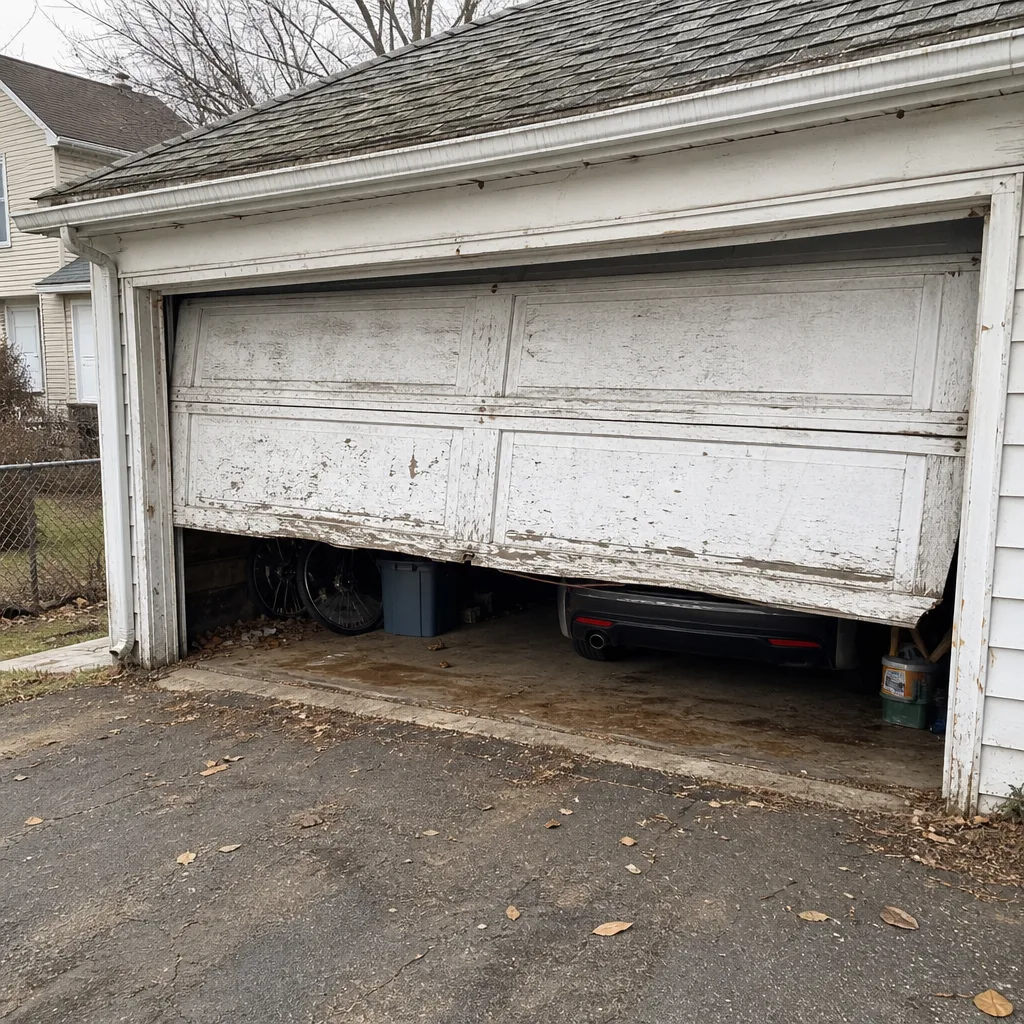 Before
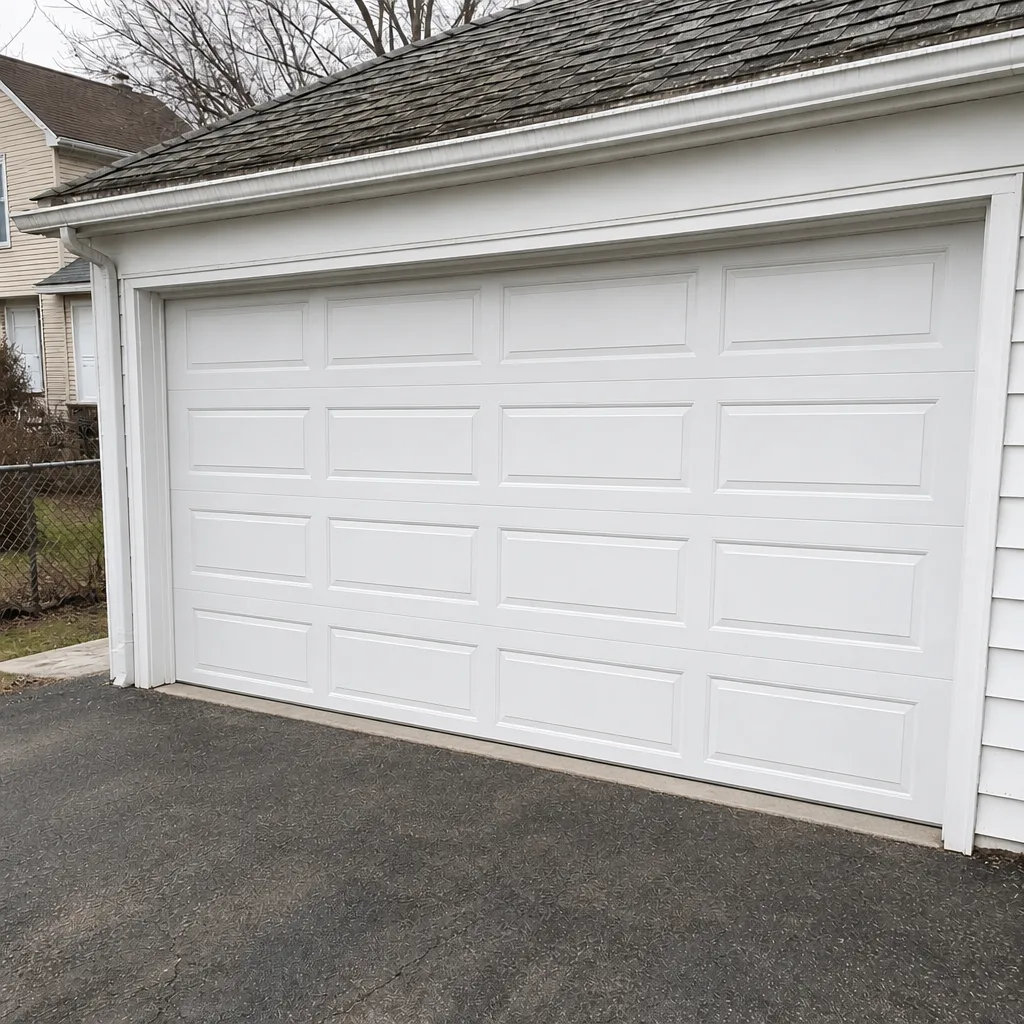 After
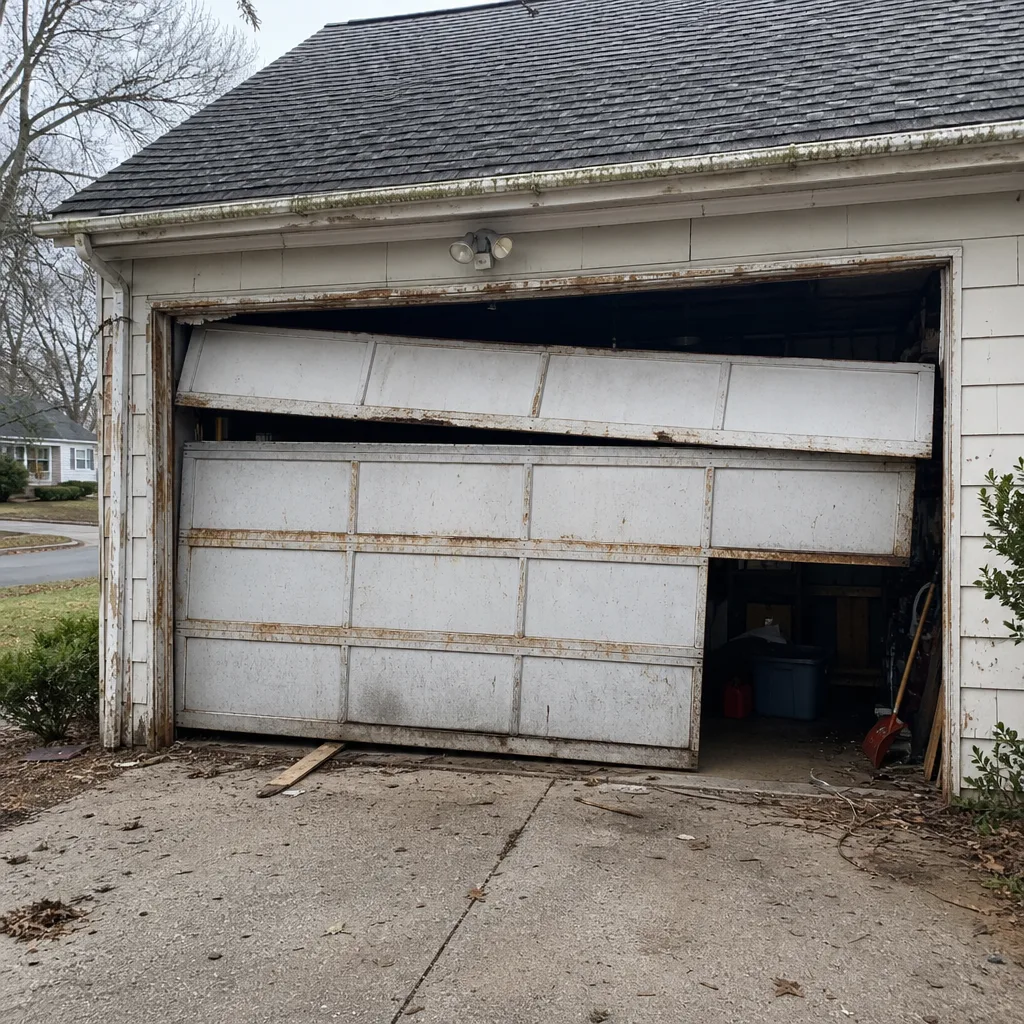 Before
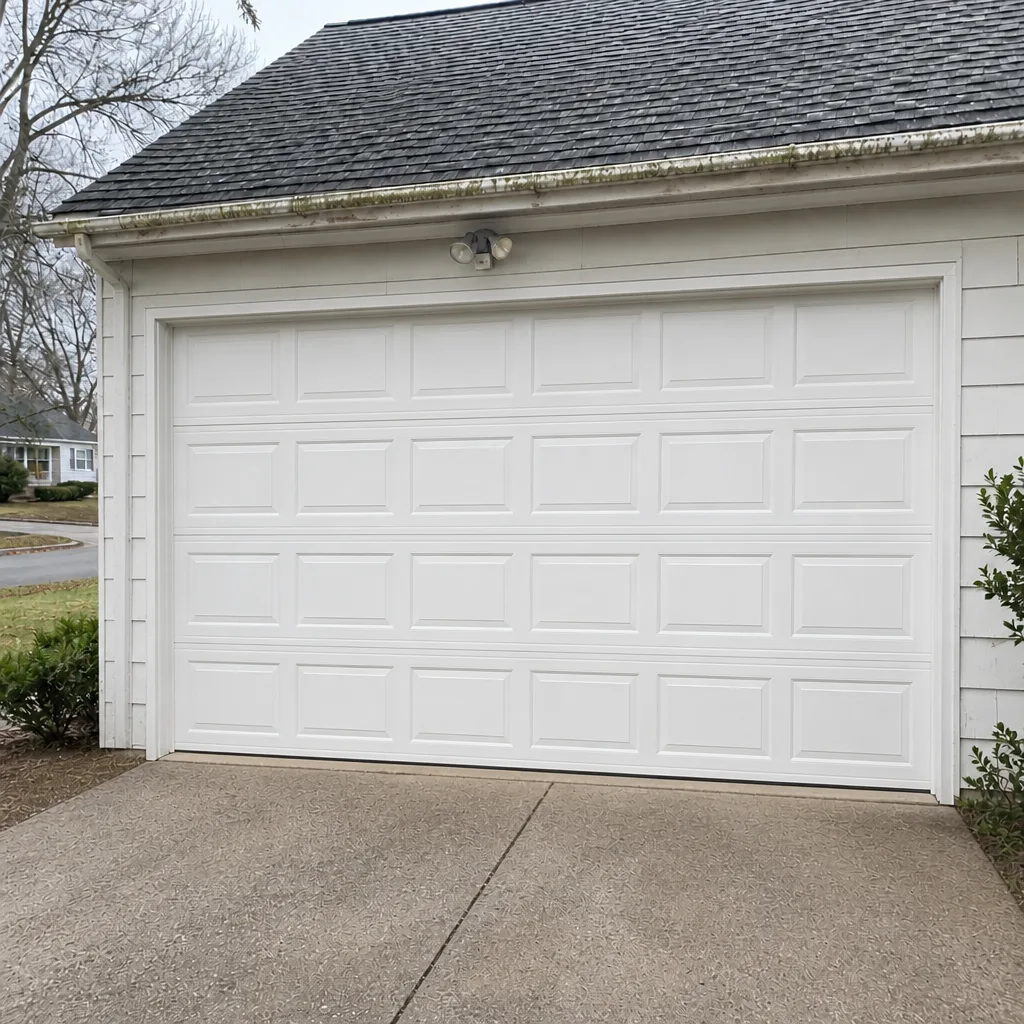 After
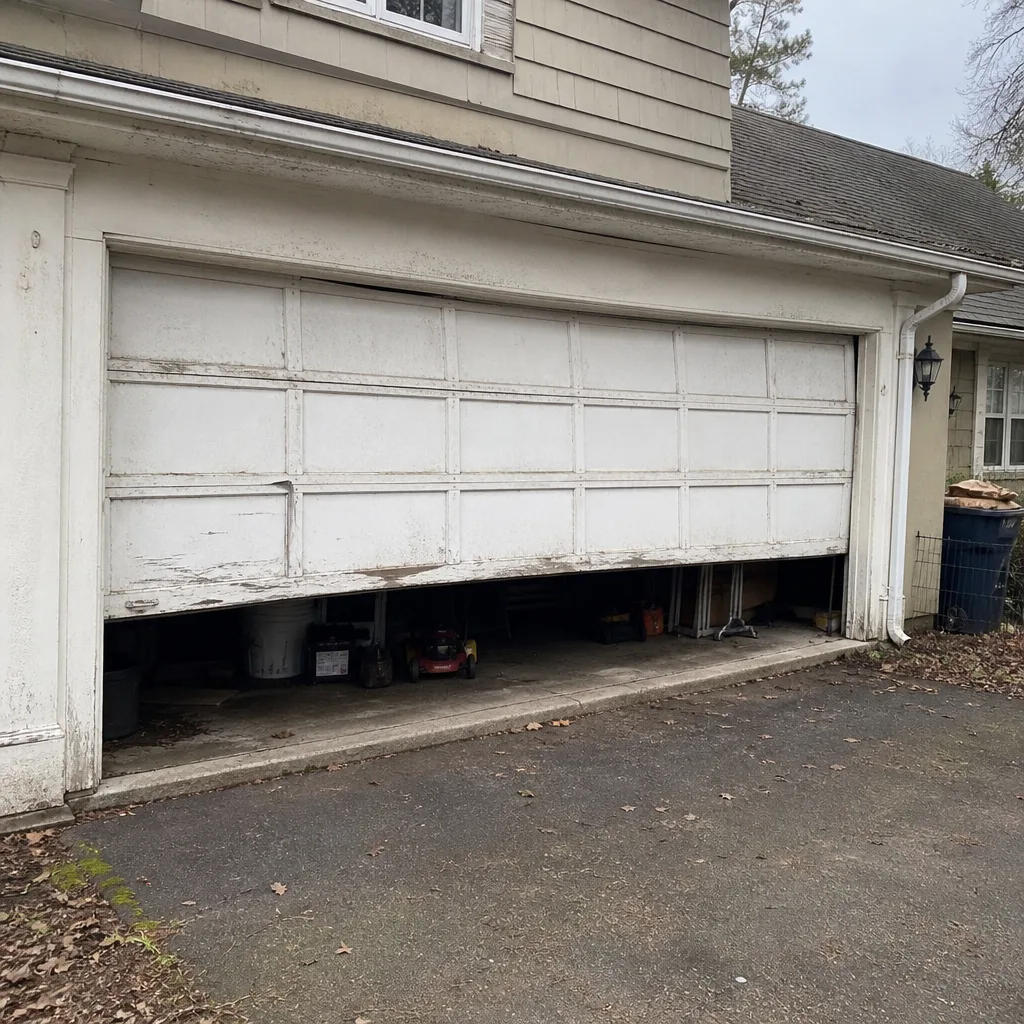 Before
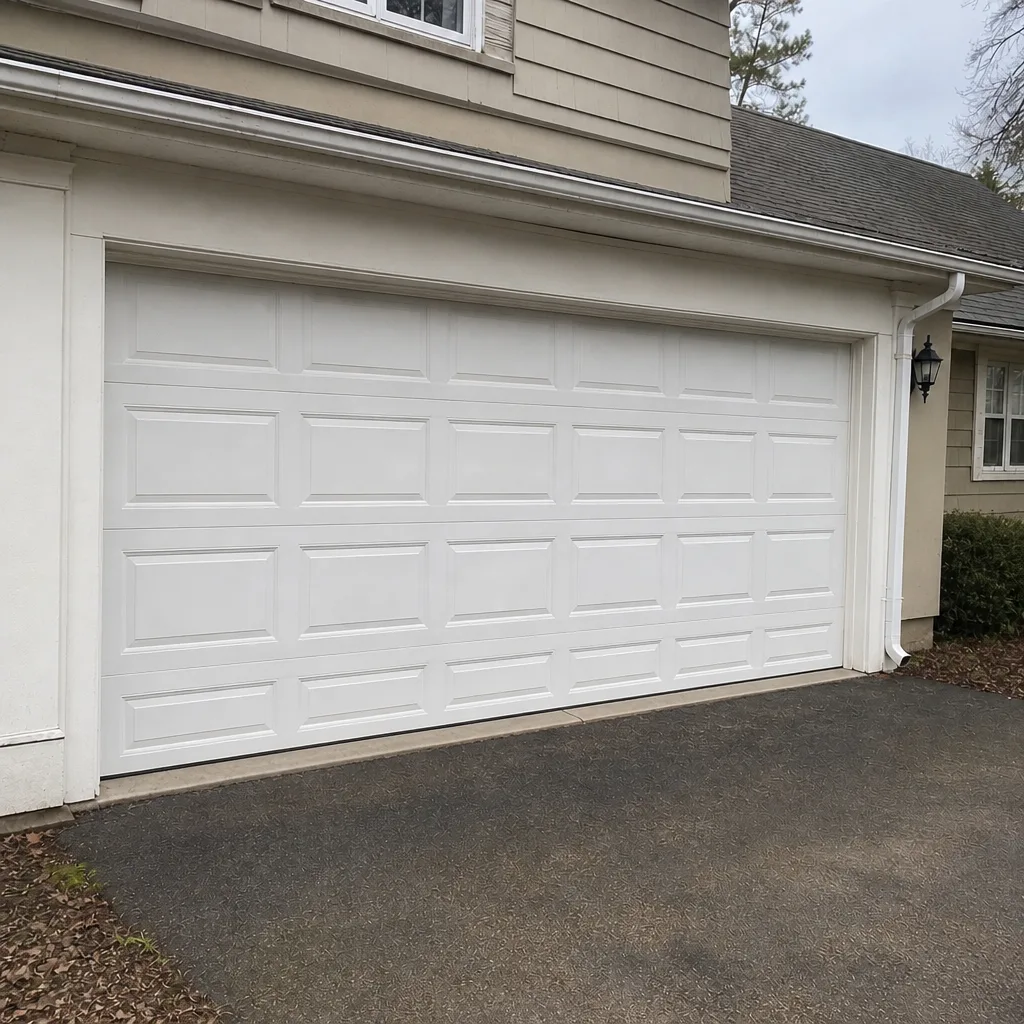 After
Common Mistakes to Avoid
- Waiting until the door fails to think about it. The failure you avoid in winter is prevented in fall. If you only act when something breaks, you’re paying for repairs that a little seasonal attention would have prevented.
- Forcing a frozen door with the opener. If the bottom seal is frozen to the threshold, the opener is pulling against concrete. Stop, clear the ice, and check the seal before you operate the door again.
- Treating wood and steel doors the same in summer. Wood swells in Wallingford’s humidity and needs a finish check; steel doesn’t swell but still has seals that take a compression set. Matching the care to the material matters.
- Ignoring a door that sounds different after a storm. The track and opener damage from a storm often shows up two to three weeks later. A door that suddenly runs rougher is telling you something shifted.
- Confusing “it still opens” with “it’s fine.” A door can be badly out of balance and still open, with the opener doing the spring’s job. That’s the condition that snaps a cable in a cold snap.
- Skipping the balance test. It’s the single best early warning of spring trouble, and it takes a minute. A door that won’t stay put when you lift it halfway is a door that needs attention.
- Assuming a brand-new door needs no seasonal care. New doors still meet the same climate stresses. The seasonal routine starts the first fall, not after the warranty runs out.
Frequently Asked Questions
The most important window is fall, in October and November, before the first hard freeze. That’s when lubrication and a balance check prevent the cold-weather cable and spring failures that dominate winter. Spring, in March and April, is the second key window, when you inspect for freeze-thaw damage and catch winter strain before it becomes a summer breakdown.
Cold contracts metal and a frozen threshold adds resistance, so the cables carry more tension than they did in milder weather. If a cable is already fatigued, that extra load is what pushes it over the edge. The real prevention is a fall inspection and balance check, so a strained system gets attention before the freeze arrives.
Wood absorbs moisture from humid air and swells, which can bind panels at the seams and stress the finish over repeated summers. A steel door’s panels stay dimensionally stable, so it doesn’t swell the same way. Both types still have rubber bottom seals and weatherstripping that soften and take a compression set in the heat, which is why seal checks matter for every door in summer.
Check track alignment, track mounting brackets, opener mounting, and panel alignment. The storm damage that shows up two to three weeks later is usually a shifted track or a loosened bracket rather than a visibly bent panel. If the door runs rougher or sounds different after a storm, get it inspected before the wear compounds.
You can handle lubrication, visual inspection, the balance test, and the safety-reverse test yourself. Leave spring and cable work to a trained technician, because those parts are under high tension and handling them without the right tools and protocol can cause serious injury. When in doubt about the mechanical parts, call.
The core routine is the same for any brand, because the climate stresses are physical. But specific models have specific habits, and a technician who works on your brand regularly knows where to look first. We service LiftMaster, Chamberlain, Genie, Clopay, Amarr, Wayne Dalton, Craftsman, and Raynor, so we can start from what you already own.
The Bottom Line
Wallingford’s four seasons stress a garage door four different ways, and the care that matters is the care matched to the current season. Fall lubrication and a balance check prevent winter cable and spring failure. Spring inspection catches freeze-thaw damage in order of likelihood. Summer humidity care protects wood panels and seals. And after a major storm, check the tracks and opener mounts for the damage that shows up two to three weeks later. Match the task to the season, stay ahead of the high-tension parts, and call a professional when the work turns dangerous.
When your garage door needs more than a seasonal check, call (888) 891-9574 for a free estimate. We answer 24/7. Fast dispatch from 7am to 7pm, Sunday through Friday. One call covers it: repair, opener, spring, or a full new door installation from Clopay, Amarr, Wayne Dalton, or Raynor.
Written by the team at Garage Door Repair Wallingford.