
Last updated November 23, 2026
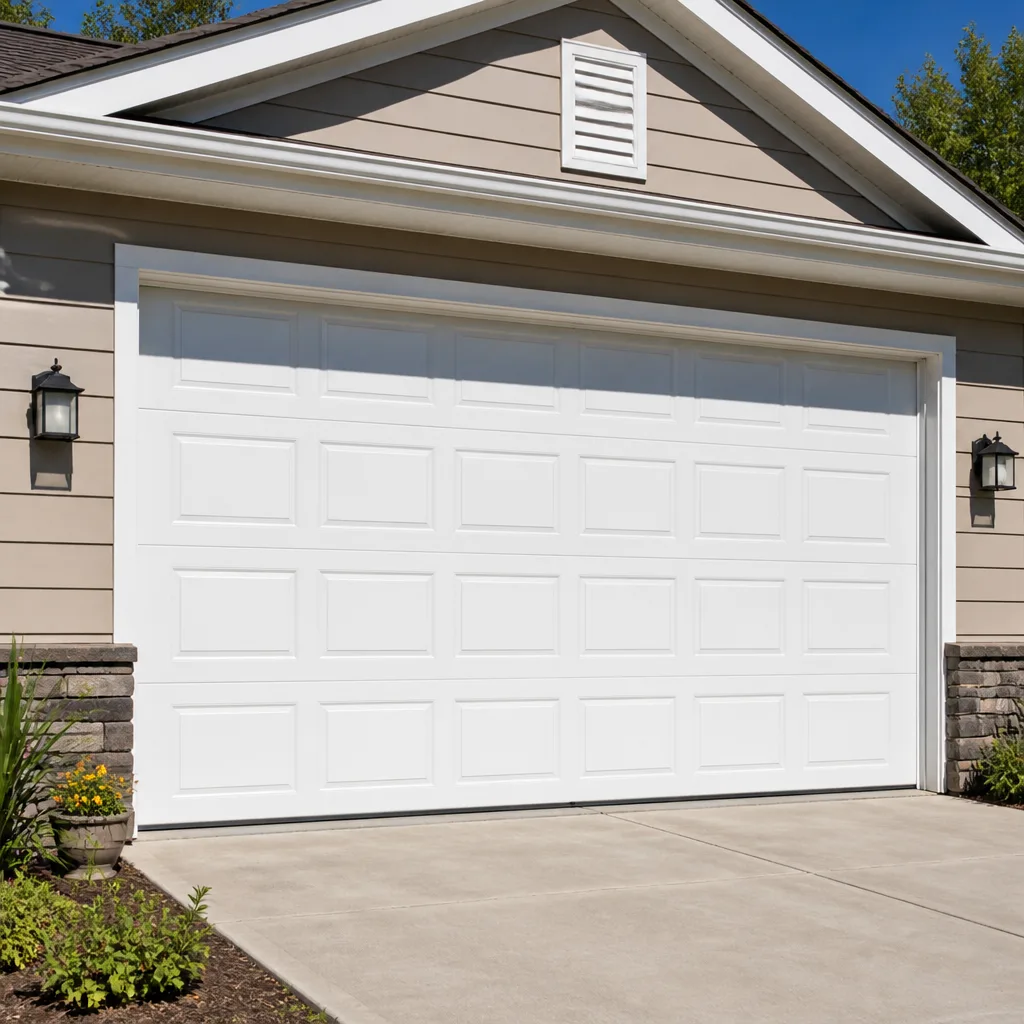 Raised-panel steel
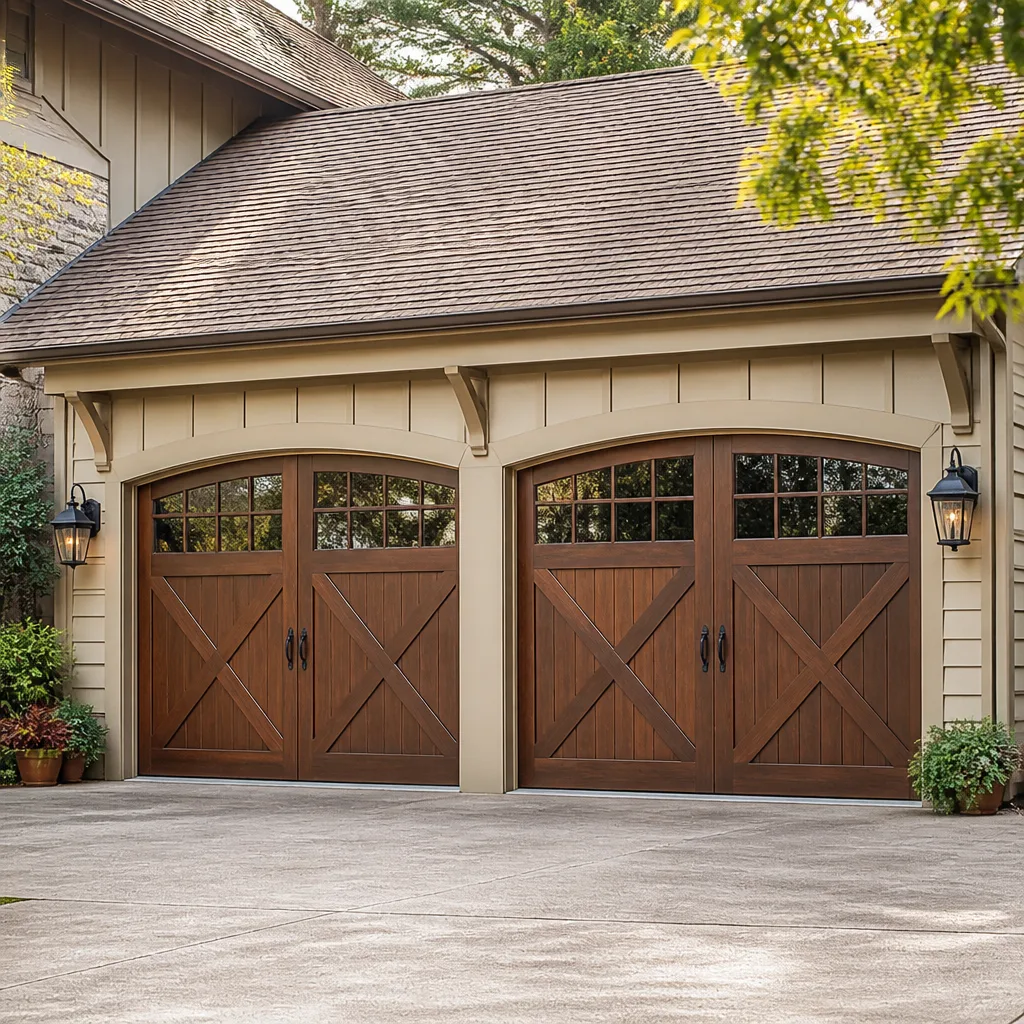 Carriage house
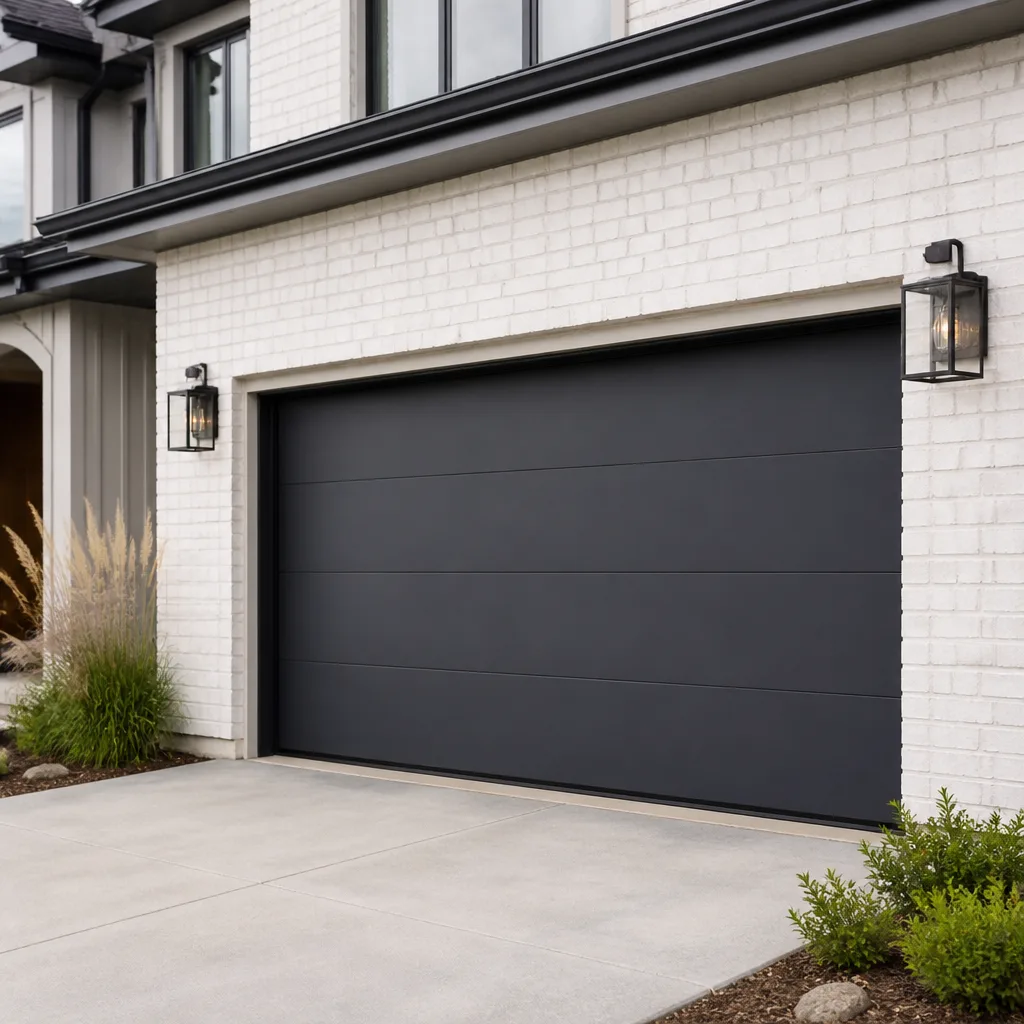 Modern flush
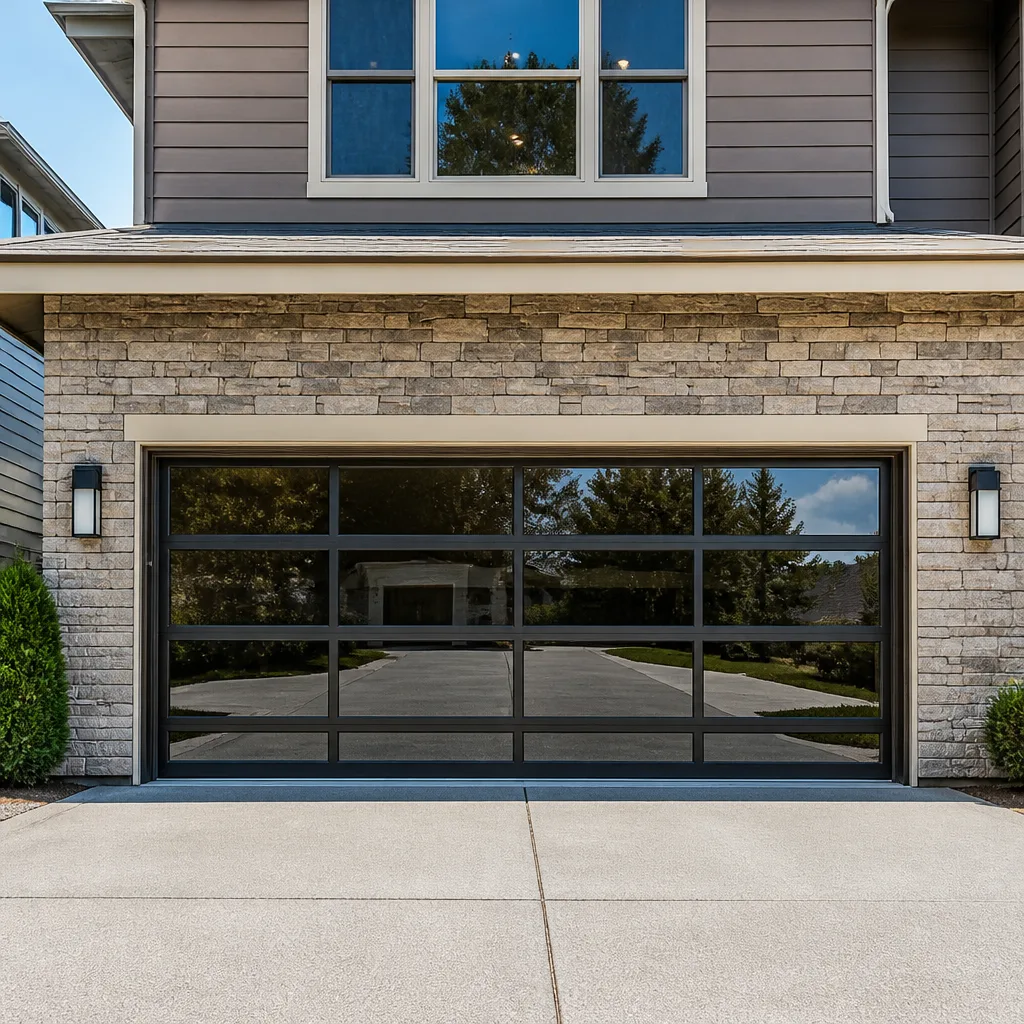 Full-view glass
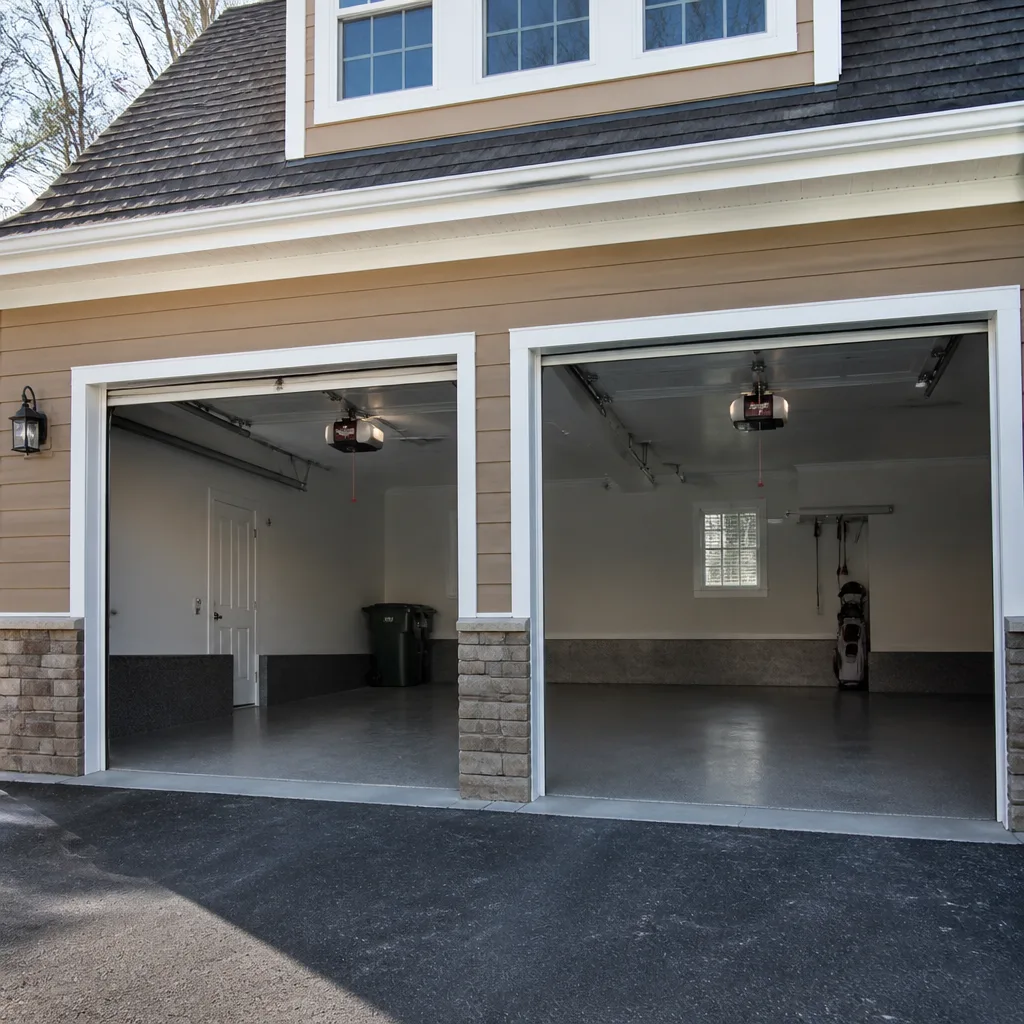 LiftMaster openers
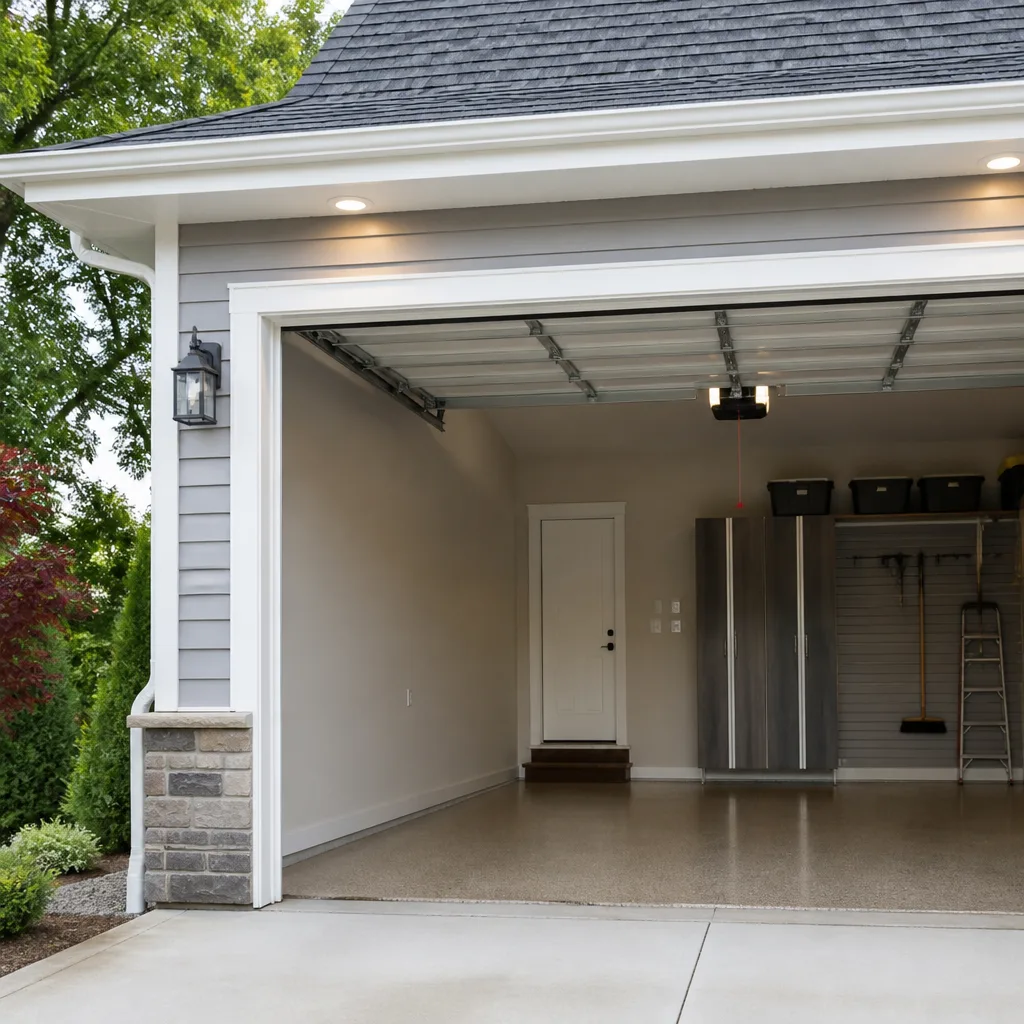 Chamberlain openers
Full 25-point door and opener safety check with every visit - springs, cables, rollers, tracks, and your LiftMaster or Chamberlain opener included
You get a price before we start. It does not change when the pro arrives.
Get your free estimateGarage Door Warning Signs: A Wallingford Homeowner’s Reference Guide
A garage door that hesitates for half a second before opening isn’t “getting old.” It’s telling you exactly which component is failing, if you know the language. Most serious failures we see around Wallingford don’t appear out of nowhere. A spring about to break has been popping for a week. A cable about to snap has been fraying where you don’t look. A track that’s about to let go has been grabbing the rollers a little more every day. Homeowners hear these signals and file them under normal noise. That’s the costly part, because the cheap fix and the expensive one are often the same problem caught at different stages. This guide decodes the sounds, movements, and visual cues so you can tell what’s talking to you and how urgent it is.
Quick Answer
The main garage door warning signs are unusual noises (grinding, popping, rattling, squealing), uneven or jerky movement, a door that won’t close all the way, frayed cables, worn rollers, bent tracks, and an opener that reverses for no reason. Grinding and popping usually point to a mechanical problem in the door itself, while reversing and sensor trouble point to the opener. Any sign involving cables, springs, or a door that drops suddenly is a stop-using-it-now situation.
Styles & brands we work with
- Raised-panel steel
- Carriage house
- Modern flush
- Full-view glass
- LiftMaster openers
- Chamberlain openers
Table of Contents
- A Sound-by-Symptom Index: What Each Noise Means
- Visual Inspection Cues, Organized by Component
- Opener Warning Signs vs. Door Mechanical Warning Signs
- Imminent Failure vs. Scheduled Repair: Telling the Difference
- Why Wallingford Doors Fail the Way They Do
- How to Describe What You’re Seeing So the Diagnosis Takes Two Minutes
- Brand Matters When You Finally Call
- The Signs You Never Check Yourself
A Sound-by-Symptom Index: What Each Noise Means
Start with your ears. A garage door makes a few normal operating sounds, and everything outside that range is information. The key is separating a noise that comes from the door moving (mechanical) from a noise that comes from the motor and drive (opener). Here’s how the common sounds map to the parts behind them.
- Grinding. Metal-on-metal contact. Most often worn or seized rollers dragging in the track, or a torsion tube with dry or failing bearings. Grinding gets worse fast because the friction feeds on itself.
- Popping or snapping. A single loud pop is usually a torsion spring letting go. Rapid popping during travel can mean a sectional door’s hinges or rollers are binding. A popping sound that repeats with each cycle is a warning, not a one-off.
- Rattling. Loose hardware: hinge bolts, roller brackets, or a track that’s come slightly loose from the jamb. Rattling is rarely a same-day emergency, but it accelerates wear on everything it touches.
- Squealing. A high-pitched squeal points to dry or failing bearings in the rollers, hinges, or the opener’s drive assembly. It’s the earliest warning a door gives, and the cheapest to catch.
- Straining or humming with no movement. The opener is trying to move a door it can’t. Something in the door is jammed or the spring has lost tension. Stop cycling it and have it checked.
One note on sectionals in Wallingford: the sound pattern tells you where in the cycle to look. A noise at the very start of travel points to the spring and torsion system. A noise at the top curl of the track points to rollers and hinges. Note when the sound happens, not just what it sounds like. That single detail shortens most diagnostic calls.
Visual Inspection Cues, Organized by Component
Sound gets you started. Your eyes confirm it. Walk the door slowly from a safe distance, and look at it by component rather than by how alarming it seems. Each part fails in its own way, and each failure has its own tell.
Springs
- A torsion spring above the door with a visible gap in the coil means it has broken. The door is now extremely heavy and unsafe to operate.
- Gaps between coils on an intact spring can indicate the spring is near the end of its life.
- For extension springs mounted alongside the tracks (common on some Wayne Dalton and older Amarr doors), look for a stretched, sagging spring or a safety cable that’s slack.
Cables
- Frayed strands poking out along the edge of a cable are a fail-in-progress. Don’t touch them.
- A cable that’s come off its drum and is lying against the frame means the door is no longer supported properly. Stop using it.
- Uneven cable tension between the two sides shows up as a door that’s slightly crooked in the opening.
Rollers and Hinges
- Rollers that are flat-spotted, cracked, or visibly wobbling in the track need attention.
- Hinges with worn or elongated holes let the door sag and start grinding.
- Rusted roller stems are common on doors that face the weather directly.
Tracks
- Look down the length of each vertical and horizontal track. They should be straight and parallel. Bends or dents mean the door will bind.
- Loose track bolts let the whole rail shift under load.
- Debris or packed material in the track turns the rollers into a cutting tool.
Panels
- Cracks at the panel seams or around the window inserts weaken the door’s structure.
- A door that sags in the middle when viewed from the side has lost rigidity.
- Paint flaking at the base and along the bottom rail is the first sign of water getting into the panel material.
Opener Warning Signs vs. Door Mechanical Warning Signs
This is where homeowners most often misdiagnose. When a door stops working, the instinct is to blame the opener. But the opener is just the motor doing what the door lets it do. If the door itself is binding, heavy, or misaligned, a perfectly healthy opener will strain, reverse, and eventually burn out trying to move it. Knowing which system is complaining saves you from replacing an opener that was never the problem.
Signs the opener is the issue:
- The door moves manually by hand with normal effort, but the opener won’t move it.
- The remotes or wall button stop responding, or only work intermittently.
- The opener’s light flashes in a pattern you don’t recognize, or the unit beeps and won’t run.
- Smart-home connectivity drops (LiftMaster MyQ, Chamberlain MyQ, Genie Aladdin, or a Craftsman remote paired through a hub), but the door still cycles from the wall.
- The safety sensors are misaligned or the indicator lights are off or blinking, and the door reverses right after it starts to close.
Signs the door itself is the issue:
- The opener runs but the door moves unevenly or hangs on one side.
- The door is much harder than it should be to lift by hand.
- The door reverses on the way up, not the way down.
- You hear grinding from the door while the opener sounds normal.
If you’re not sure which side of the line you’re on, the test is simple: disconnect the opener (pull the release cord) and try the door by hand. If it’s heavy or binds, the problem is in the door, and you’ll want garage door repair rather than an opener technician. If the door moves smoothly and the opener still won’t run it, the issue is in the motor, sensors, or drive system and belongs with garage door opener repair. That distinction is the single most useful thing you can learn from this guide, because it decides which repair happens first.
Imminent Failure vs. Scheduled Repair: Telling the Difference
Not every warning sign is an emergency. Some mean “stop using this now,” and others mean “book it into the next opening.” Sorting them correctly protects your safety and your wallet. Here’s how we separate them.
Signs that need same-week service (stop using the door):
- A broken spring. The door should not be operated until it’s replaced. The motor is now pulling dead weight, and the door can drop.
- A frayed, sagging, or detached cable. This is a load-bearing part of the door’s balance system.
- A track that’s been bent by impact and is no longer straight.
- A door that’s visibly crooked in the opening or has popped a hinge loose.
- The opener runs but the door doesn’t move, or the door is jammed mid-travel.
Signs that can wait for a scheduled repair:
- Squealing or mild grinding with the door otherwise operating smoothly.
- Rattling from loose hardware with no change in door travel.
- Worn rollers that haven’t yet affected the door’s alignment.
- A slow or sticky remote, or a wall button that occasionally needs a second push.
- Cosmetic panel wear that hasn’t compromised the door’s structure.
One warning sign sits right on the line: a garage door that hangs on one side and then reverses, or that’s started to drop when it closes. Those are not cosmetic. Treat them as urgent. If you’re unsure which category a given sign falls into, describe it to us and we’ll tell you straight.
Why Wallingford Doors Fail the Way They Do
Wallingford sits between inland hills and the shoreline watershed, which means garage doors here work through a real seasonal cycle rather than a steady climate. That cycle shapes what fails and when. Understanding it tells you when to listen harder to your door.
Summers are humid enough that hardware rusts and wood panels absorb moisture. The freeze-thaw swings of a New England winter move a little every time, and a door that’s installed with tight clearances can start to bind as the seasons change. Rollers that were fine in July drag in January. Wood doors take on moisture at the bottom rail and start to sag. Steel doors that have had any paint or finish fail will rust at the panel edges first. The result is that a lot of the failures we see here don’t come from the door’s age at all; they come from the seasonal stress that wears a door faster in one place than another.
What does that mean for a Wallingford homeowner? The window to catch a small problem is often in the first weeks after a seasonal change. That’s when a door that’s expanded or contracted slightly starts making a new sound, or a spring that’s lost a bit of tension starts to feel different. Listen for changes in the few weeks after the first hard frost and after the first warm stretch, because those are the times when a door that’s been quietly on the edge of failure will start to show it. Catching the symptom then keeps a squeal from becoming a snapped cable.
How to Describe What You’re Seeing So the Diagnosis Takes Two Minutes
A technician can’t see your door before they arrive. But a homeowner who can describe the symptom precisely turns a twenty-minute diagnostic call into a two-minute one. Here’s what actually helps.
- Name the sound. Use the sound index above: grinding, popping, rattling, squealing. Describe whether it happens at the start, middle, or end of travel.
- Name the symptom. “It stops halfway up,” “it reverses after six inches,” “the light flashes,” “it’s harder to lift than it was.” Not “it’s broken.”
- Report the opener and door separately if you can. Did the opener run and the door stay put, or did the opener refuse to run at all?
- Have the make and model ready if you know it. Door brands Amarr, Wayne Dalton, Craftsman, and Raynor have different hardware styles, and knowing which one you’re talking about helps the technician arrive with the right expectations.
- Say how it got that way. A sudden noise after a cold snap is different from a problem that’s grown over weeks.
If you can hit those five points on a call, the diagnosis usually starts before the truck arrives. We work on eight of the most widely owned brands by name, so the make on your door is one we’ve almost certainly serviced before.
Brand Matters When You Finally Call
When the call moment comes, the brand on your door and opener isn’t a minor detail. It tells the technician what kind of hardware to expect and what the likely failure points are. We work on LiftMaster, Chamberlain, Genie, Clopay, Amarr, Wayne Dalton, Craftsman, and Raynor, covering nearly every door and opener a Wallingford homeowner is likely to have in the garage. That familiarity shortens the repair, because we already know your door’s design before we arrive.
The differences matter. A Craftsman opener and a Chamberlin unit both use the same safety-sensor logic, but their remote and connectivity behavior can differ. A Wayne Dalton door with a particular track style behaves differently under strain than a Clopay or Amarr. A LiftMaster or Genie smart system ties into your home app in a specific way, and the fix for a connectivity drop is a specific sequence, not a generic reset. When we know the brand, we know the likely warning signs to ask about and the likely parts to have ready.
If you don’t know your door’s make, look at the opener housing for a label and snap a photo of the door’s hardware. That’s often all a technician needs to confirm the model over the phone. Our technicians have up to 12 years of experience with these systems, so a brand mention gets you straight to the right answer.
The Signs You Never Check Yourself
Some warning signs should never be investigated by a homeowner. The torsion spring above the door and the tensioned cables along the sides are under enormous stored force. A broken spring or a frayed cable is not something to test, tap, or try to move. If you see a gap in the spring coil, fresh frayed strands, or a cable off its drum, stop operating the door and keep your hands and fingers away from the spring and cables. Don’t stand under the door, and don’t try to lift it manually to see if it still works.
This is where spring work gets treated as a safety-critical repair rather than a quick swap. Replacing a spring requires the correct winding tools and a specific protocol, and doing it wrong can cause serious injury. We handle it as its own specialized service: if your door needs spring work, that’s garage door spring repair, and the safest path is to have it done correctly by someone trained for it. A trained technician knows what to check before touching anything and how to bring the door back into balance safely.
The same goes for opener safety sensors. A sensor that’s failed and lets the door close on something in its path is a safety problem, not an inconvenience. If your door reverses for no reason or the sensor light stays off, have it looked at before you cycle it again.
Common Mistakes to Avoid
- Assuming a noisy door is just “getting old.” Most failures announce themselves days or weeks before they happen. A new sound deserves a look, not a shrug.
- Blaming the opener when the door is the problem. Replacing a healthy opener because a binding door overloaded it is a wasted repair. Diagnose the door first.
- Pushing the door through a problem to “see what happens.” Forcing a door with a failed spring or cable can drop the door and damage the opener. Stop using it.
- Trying to inspect or adjust the torsion spring and cables yourself. These parts hold high tension. If you see damage, leave it alone and call a professional.
- Ignoring uneven travel. A door that hangs on one side wears out rollers and hinges on that side and can eventually bend the track.
- Letting a small roller problem become a large one. A worn roller is cheap to replace early. Left alone, it grinds the track and stretches the timing of every cycle.
- Treating every warning sign as an emergency. Some signs mean stop using the door; others mean book a visit in the next opening and keep the door closed until then. Sorting them saves you from unnecessary rush and unnecessary risk.
One Wallingford-specific habit worth breaking: a lot of doors here get ignored in the humid months and only get attention when the first frost arrives and the door suddenly starts dragging. If you check the rollers and hinges in late summer, you’ll catch the friction before it turns into a bind.
See the difference
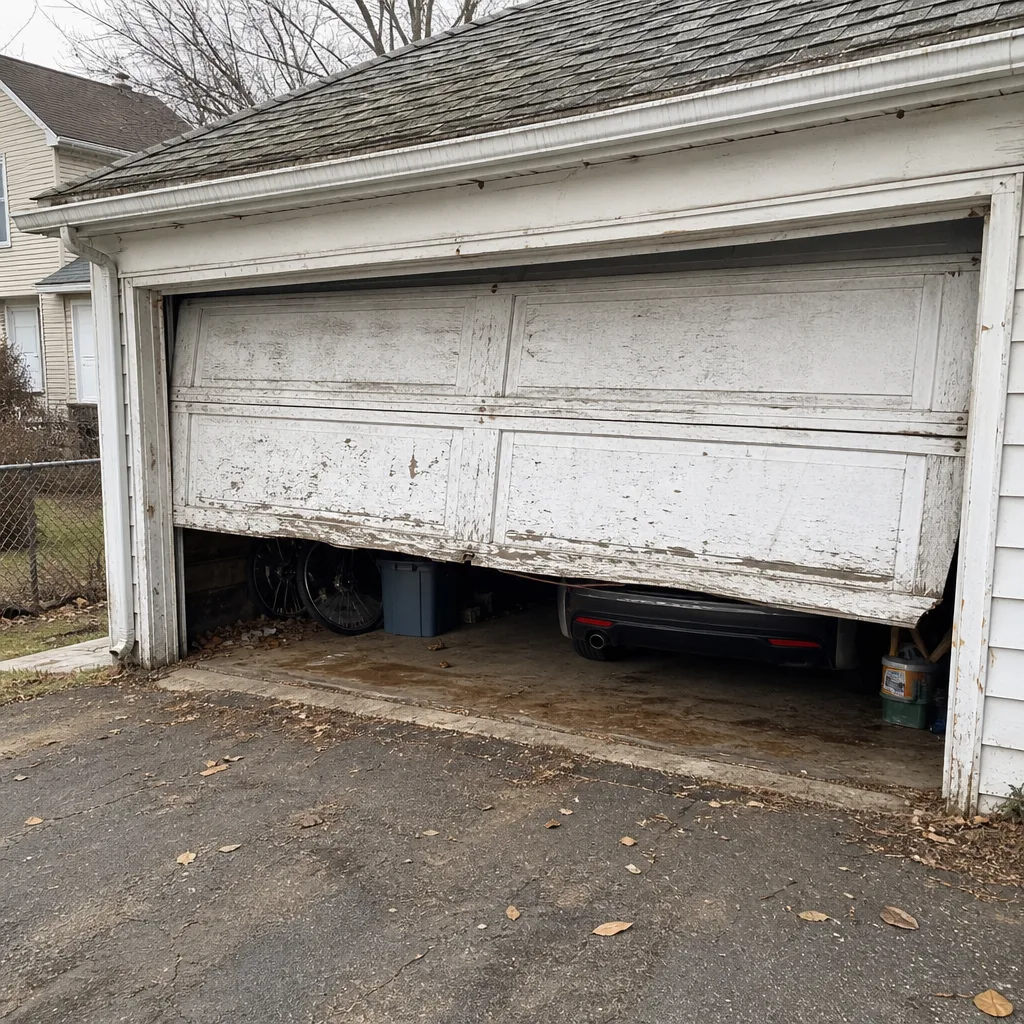 Before
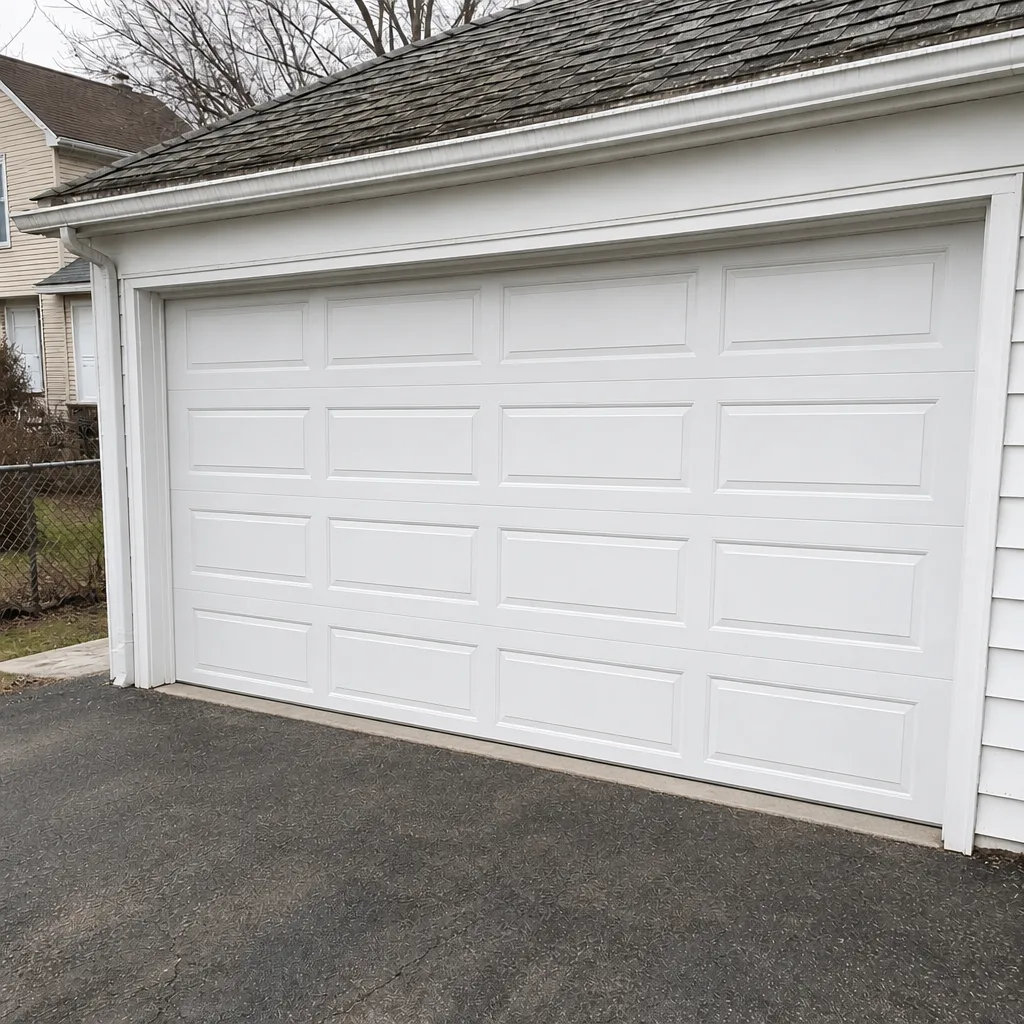 After
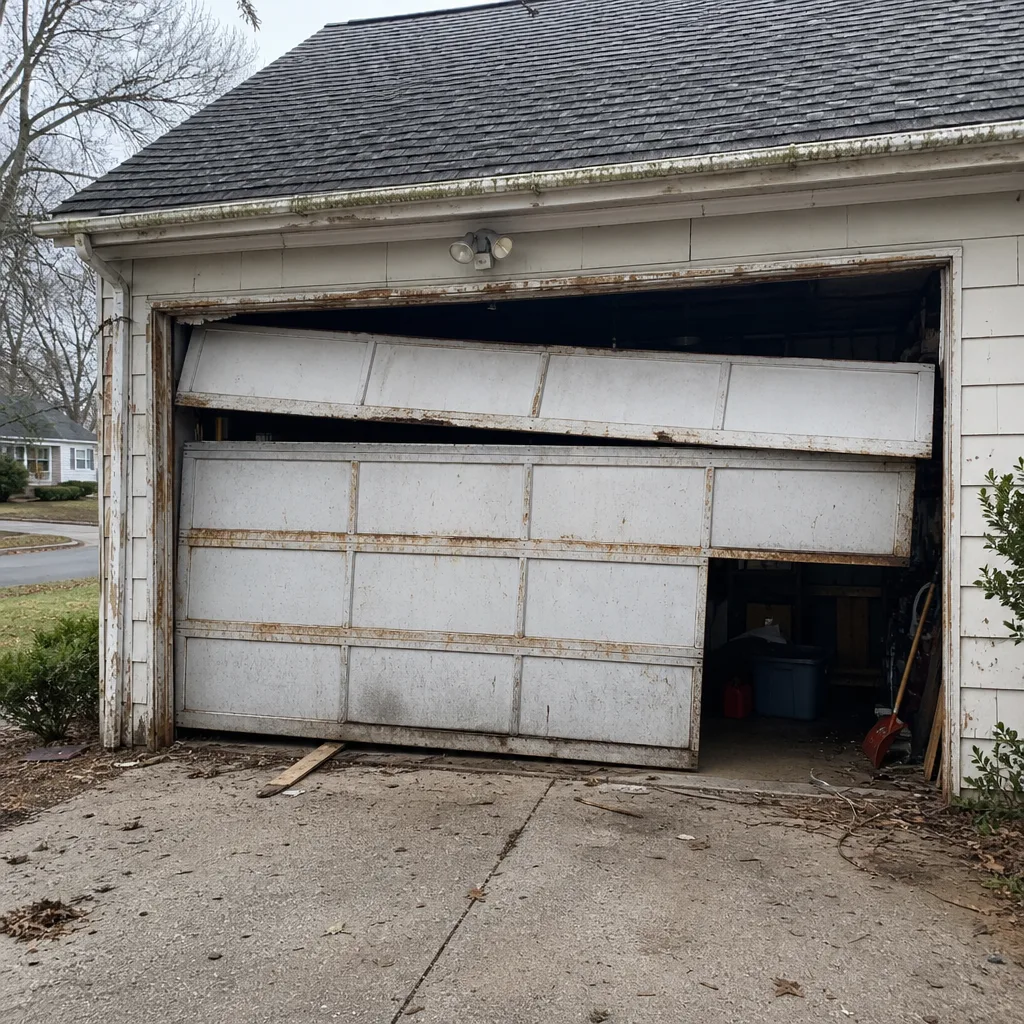 Before
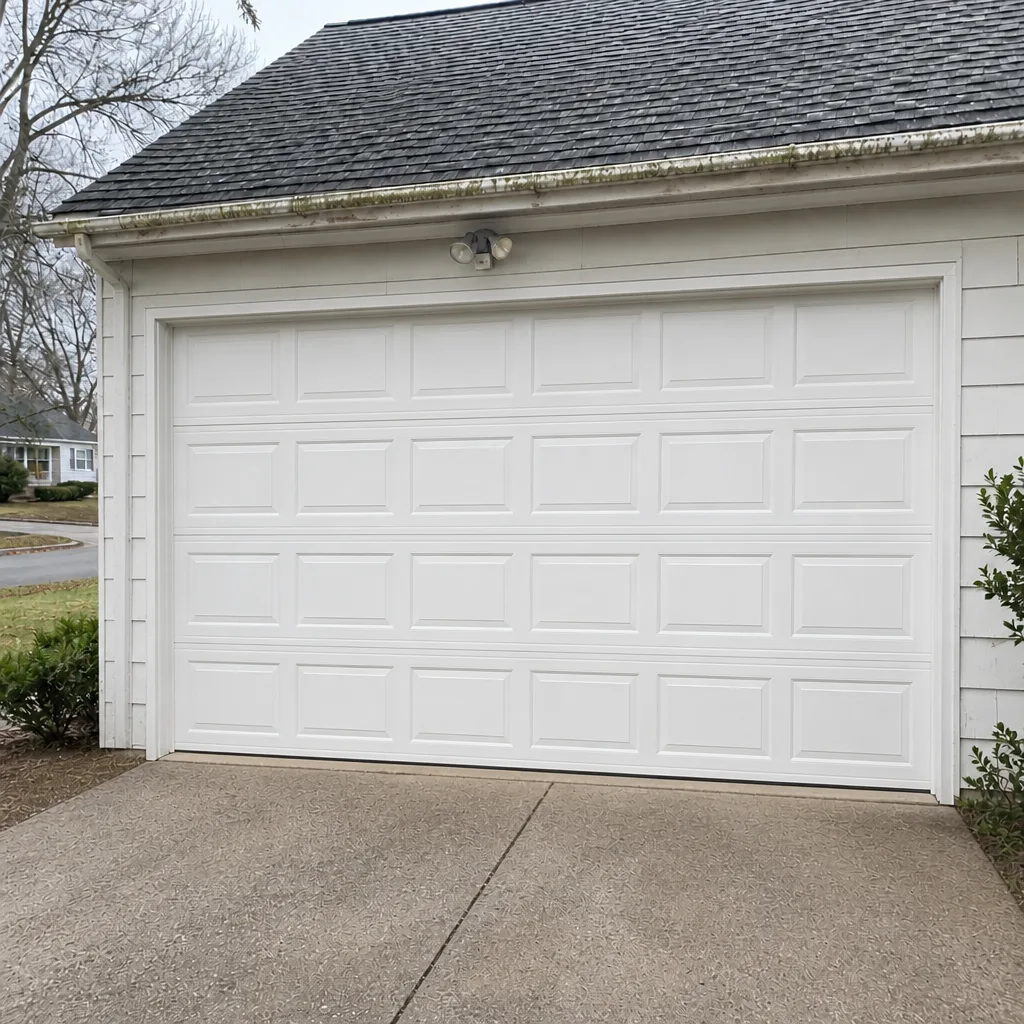 After
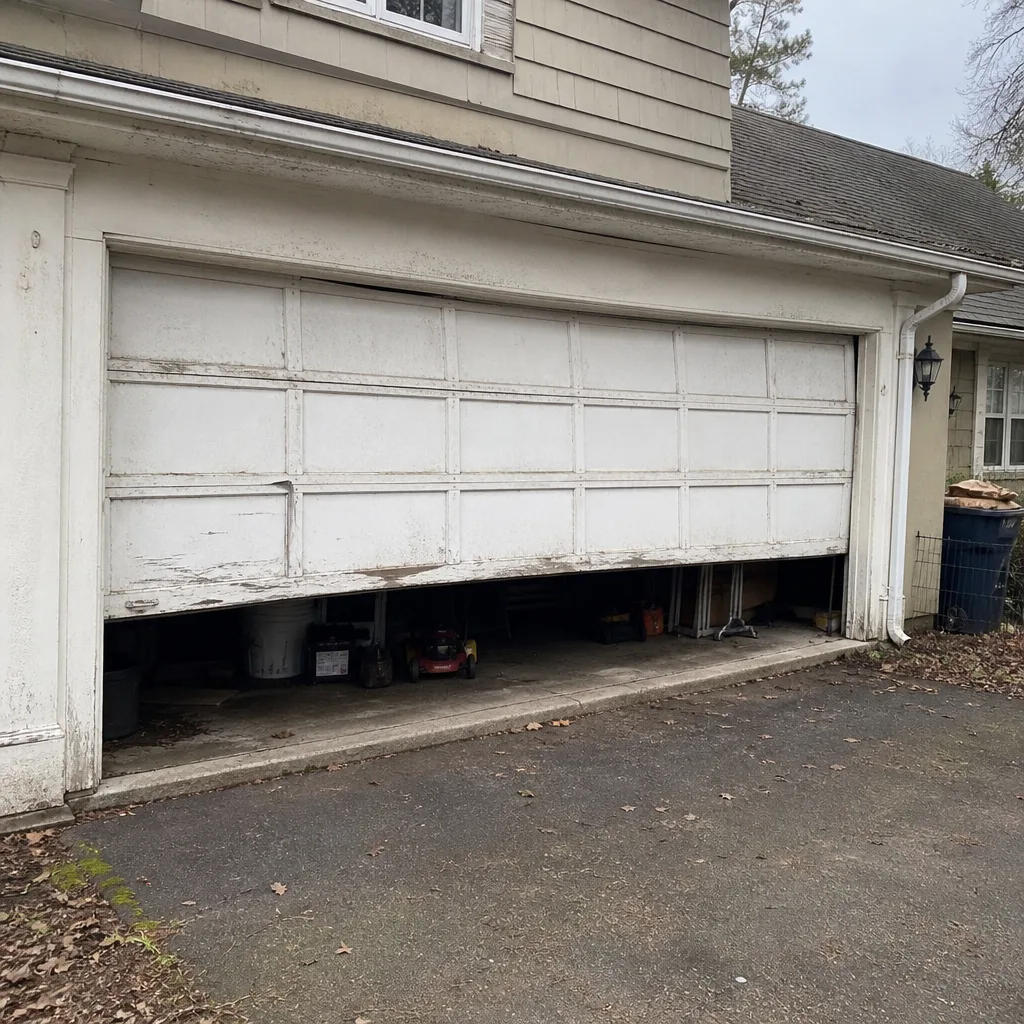 Before
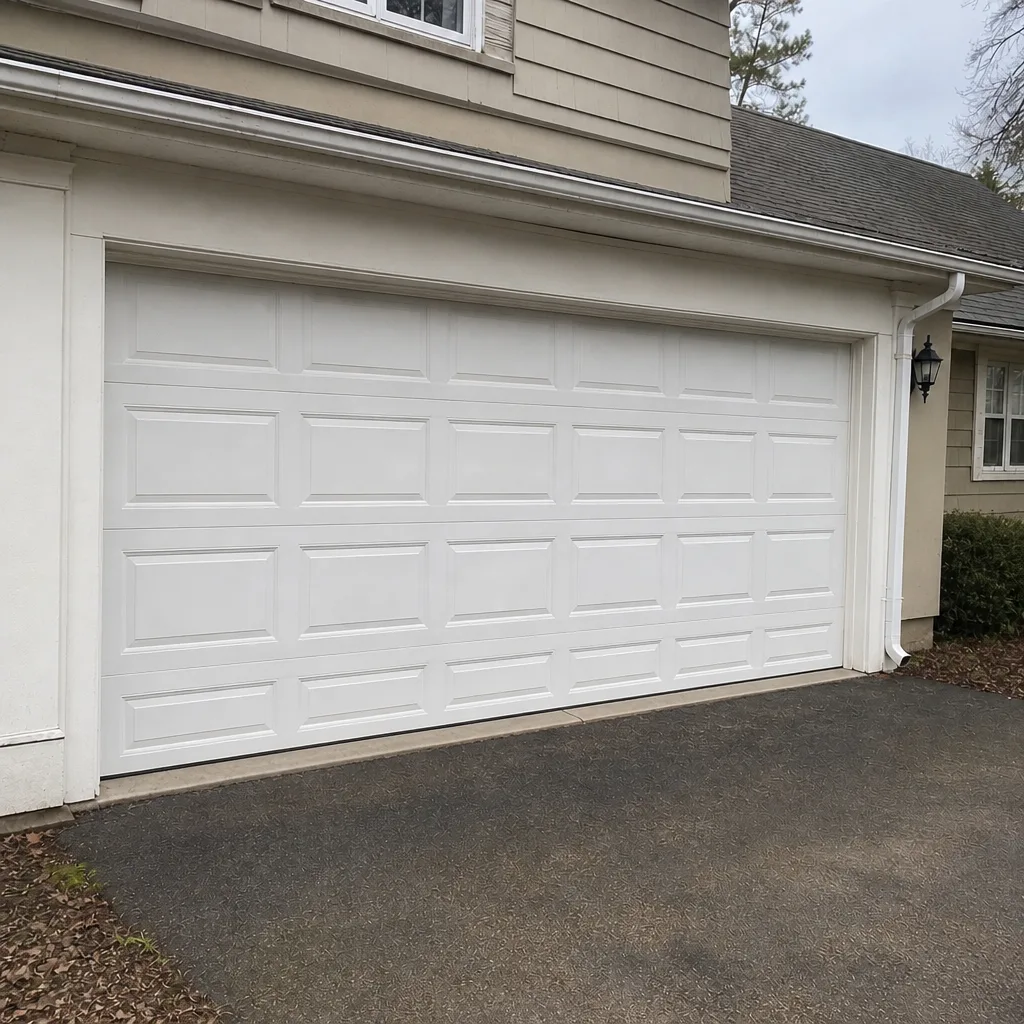 After
When to Call a Professional
Call a professional if you see a broken spring, a frayed or detached cable, a bent track, a door that hangs or drops, an opener that runs but doesn’t move the door, or a door that reverses for no reason. Also call if a new sound has appeared and stayed for more than a few cycles. The clear-cut cases are worth calling on immediately; the slow-burn ones (squealing, rattling, worn rollers) simply book into the next opening. Garage Door Repair Wallingford offers free estimates in Wallingford with the price quoted and agreed before any work starts, so the estimate is free and the written estimate sets the final price. Call (888) 891-9574 and describe the symptom. We answer 24/7. Fast dispatch from 7am to 7pm, Sunday through Friday.
One point on speed: repair and diagnosis can be handled fast when the situation is urgent, but a new door or a full replacement is always measured and scheduled. Either way, you’ll get a written price before anyone starts work.
Frequently Asked Questions
The first signs are usually a new sound (squealing, grinding, or popping) and uneven travel. These often show up days or weeks before a part fails outright. A door that squeals at the start of travel or hangs on one side is telling you that a roller, hinge, or spring has begun to fail. If you can name the sound and where in the cycle it happens, a technician can usually narrow it down quickly. Call (888) 891-9574 for a free estimate.
A door that reverses for no reason is usually a safety sensor problem, not a motor problem. If the sensors are misaligned, dirty, or the indicator light is off, the opener thinks something is in the path and sends the door back up. Check for spider webs or debris on the lenses first; if the lights stay off, it needs repair. Call (888) 891-9574 for a free estimate.
A broken spring, a frayed or detached cable, a bent track, or a door that hangs or drops should all stop you from operating the door. These parts are load-bearing, and continuing to cycle the door can drop it or overload the opener. Don’t try to inspect the spring or cables yourself. For help, call (888) 891-9574 for a free estimate.
Yes, with one test: pull the release cord and move the door by hand. If it’s heavy or binds, the door is the problem. If it moves smoothly but the opener won’t run it, the issue is in the opener, its sensors, or its drive. That split decides which repair you need. Call (888) 891-9574 for a free estimate.
Wallingford’s humid summers and freeze-thaw winters push doors a little harder than a steady climate does, so hardware rusts and wood panels take on moisture faster here. That means the few weeks after a seasonal change are when new sounds and dragging appear. Catching them early keeps a small repair from becoming a large one. Call (888) 891-9574 for a free estimate.
No, the written estimate sets the final price and the price is quoted and agreed before any work starts. What you’re quoted after the inspection is what you pay for the agreed repair. Additional findings are discussed with you first, and nothing proceeds without your go-ahead. Call (888) 891-9574 for a free estimate.
The Bottom Line
A garage door is one of the few machines in your home that moves every single day, and it does so under real load. That’s why it announces its failures so plainly: sounds, hesitations, uneven travel, frayed cables, worn rollers. The skill is in reading those signals and separating a scheduled repair from a stop-using-it-now moment. If you take one thing from this guide, make it the sound index and the hand test for separating a door problem from an opener problem. Everything else follows from those two. And for anything involving cables or springs, don’t inspect it yourself. If you’re in Wallingford and something on your door has started to talk to you, listen and get it looked at early, when the fix is small.
Written by the team at Garage Door Repair Wallingford.