
Last updated November 23, 2026
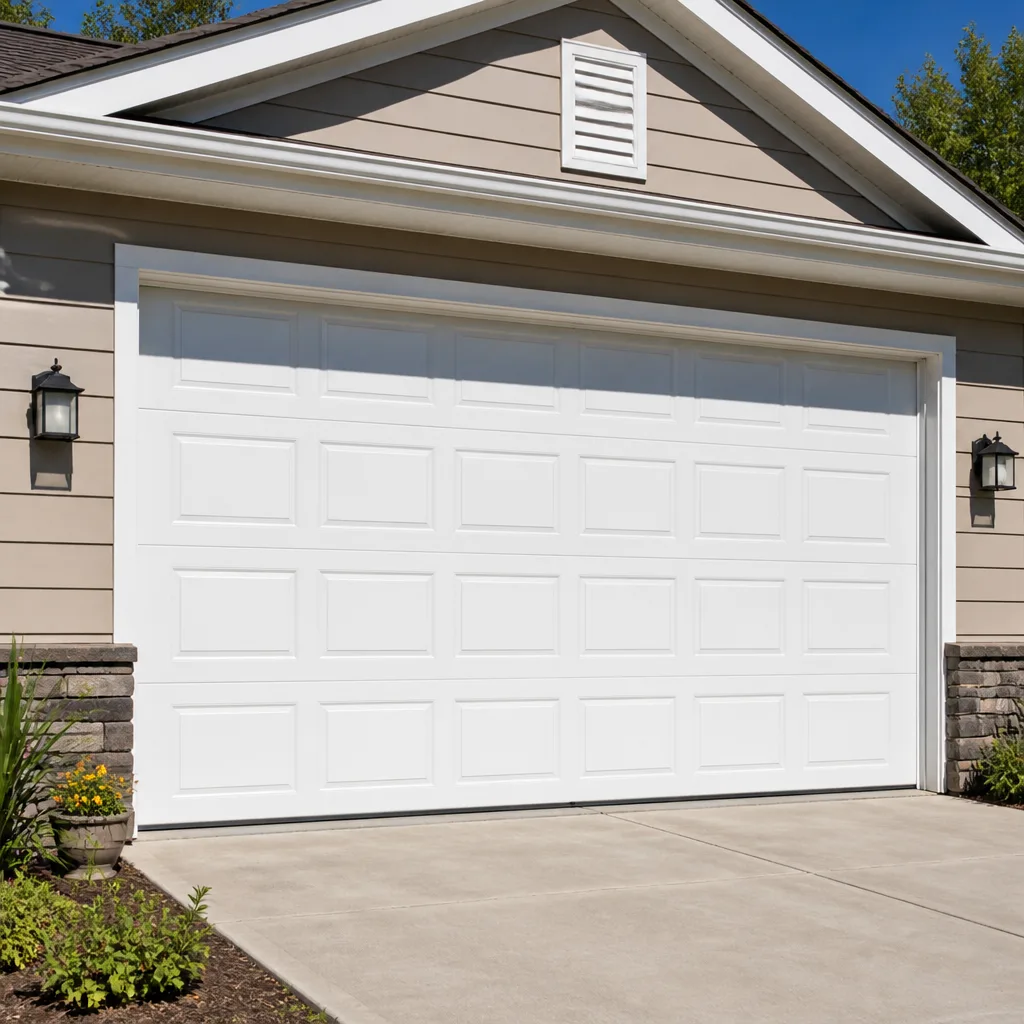 Raised-panel steel
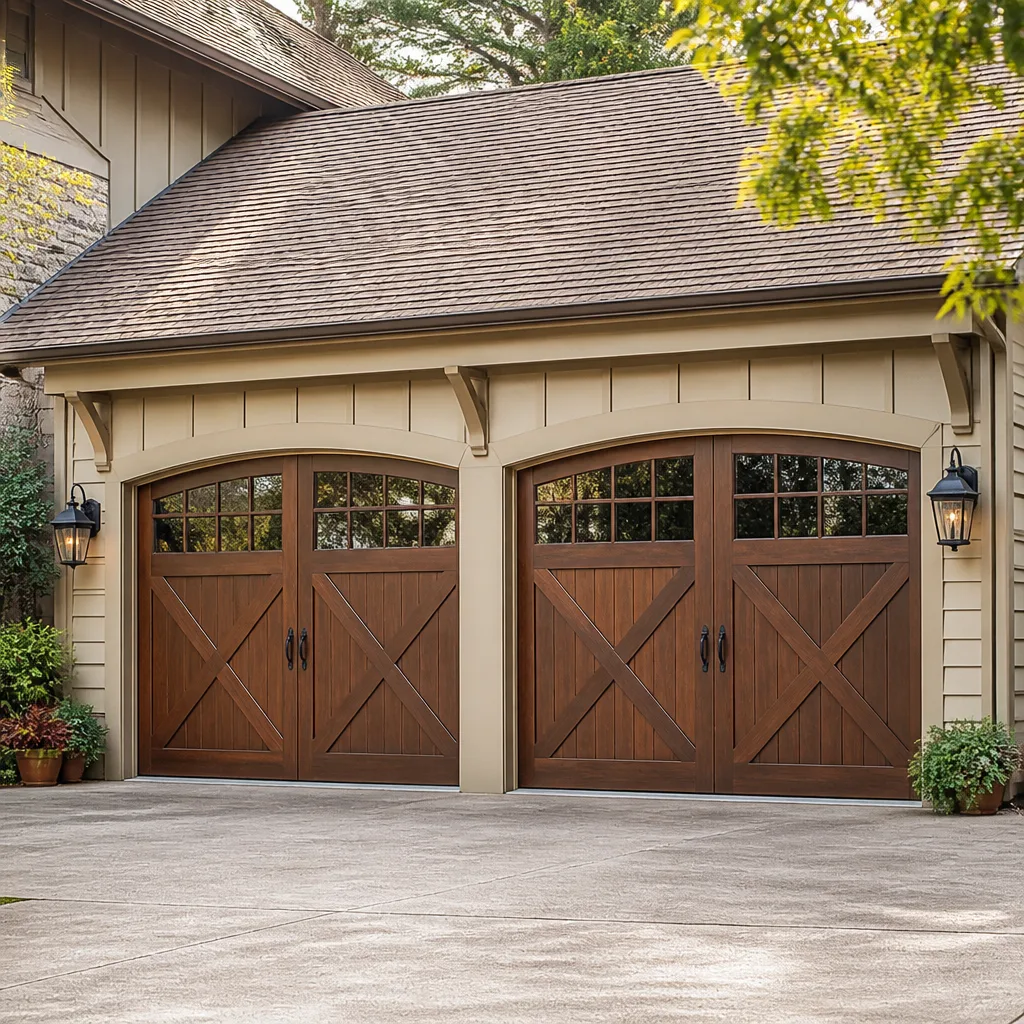 Carriage house
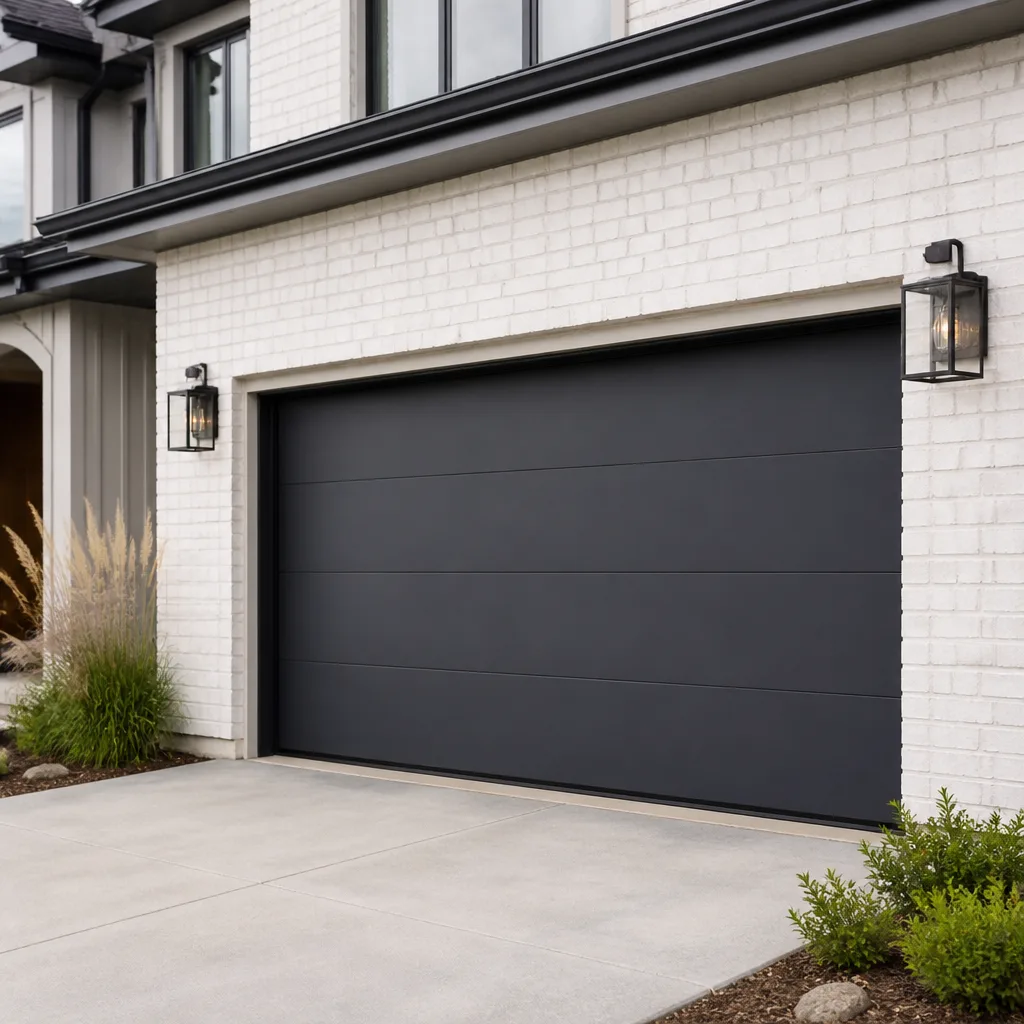 Modern flush
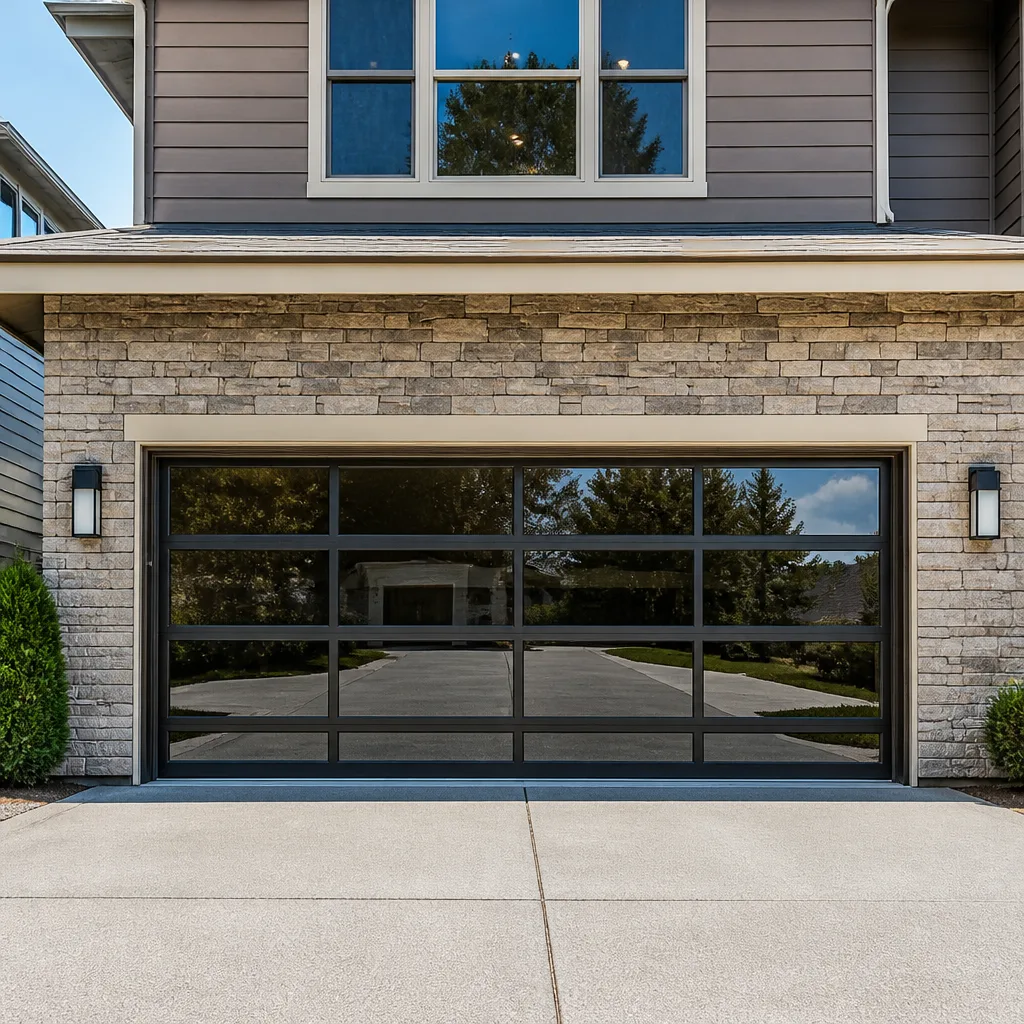 Full-view glass
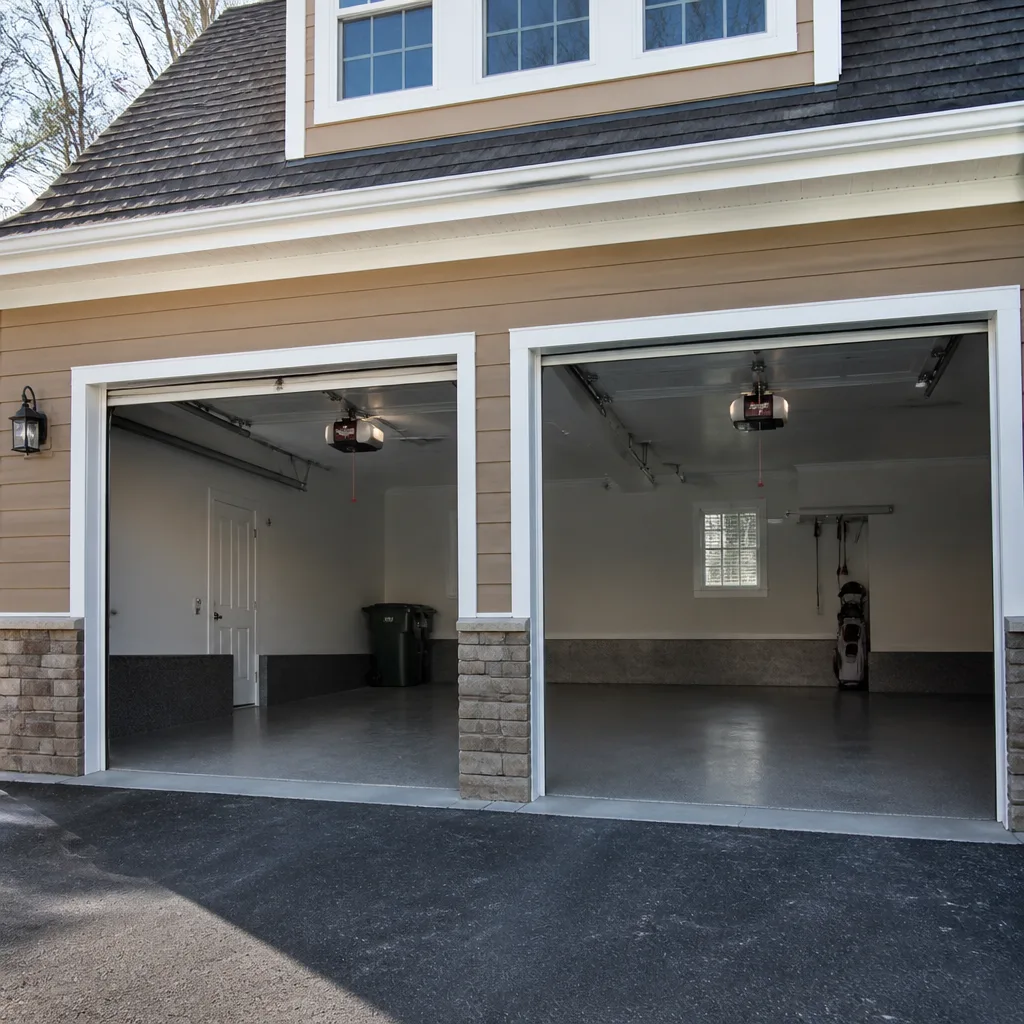 LiftMaster openers
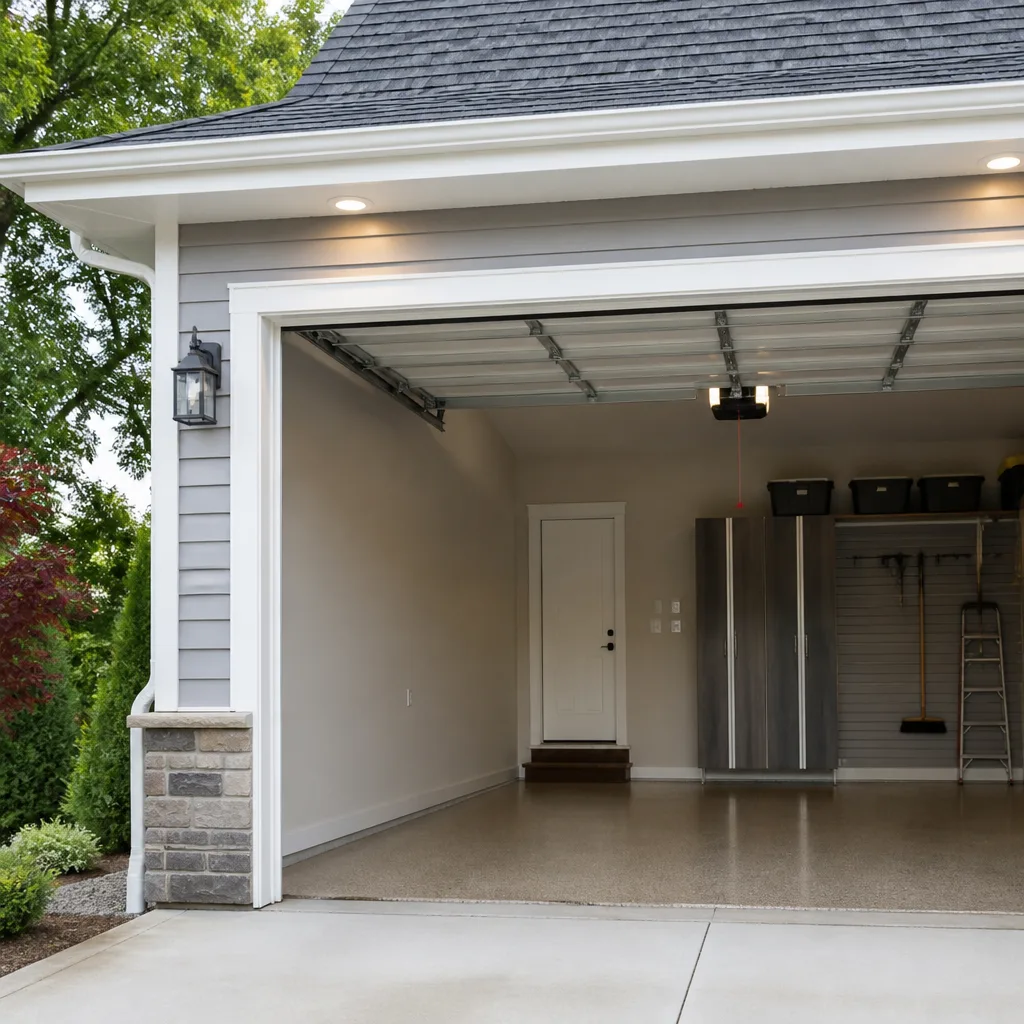 Chamberlain openers
Full 25-point door and opener safety check with every visit - springs, cables, rollers, tracks, and your LiftMaster or Chamberlain opener included
You get a price before we start. It does not change when the pro arrives.
Get your free estimateGarage Door Emergency Preparedness Guide for Wallingford Homes
Most homeowners think the hard part of a garage door failure is finding someone to fix it. It isn’t. The hard part is the ten minutes before that call, when your car is trapped inside, the door is hanging crooked, or a snapped spring has turned the whole panel into dead weight. If your garage door is your only way out during a Connecticut ice storm, you have a short window of clear thinking before late becomes panicking. What you know ahead of time decides how that window goes. This guide covers the manual release procedure, how to secure a door that won’t close, what counts as a real emergency, what to document now, and how emergency pricing actually works in Wallingford.
Quick Answer
A garage door emergency in Wallingford usually comes down to one of three things: a broken spring, a snapped or jumped cable, or an opener that quit while the door was up. Pull the manual release only when the door is fully closed with no broken spring, or when a trained technician guides you. Secure a door that won’t close by hand and don’t force the opener. Call (888) 891-9574 for anything involving a broken spring, a slack cable, or a door stuck open in bad weather. We answer 24/7. Fast dispatch from 7am to 7pm, Sunday through Friday.
Styles & brands we work with
- Raised-panel steel
- Carriage house
- Modern flush
- Full-view glass
- LiftMaster openers
- Chamberlain openers
Table of Contents
- The First Ten Minutes: What to Do Before You Call Anyone
- The Manual Release Procedure for the Most Common Openers in Wallingford
- How to Safely Secure a Door That Won’t Close
- True Emergency vs. What Can Safely Wait Until Morning
- What Every Wallingford Homeowner Should Document Before a Failure
- What an Emergency Garage Door Call Costs in Wallingford
- How Wallingford Weather and Housing Shape the Risk
- Pre-Failure Checks That Prevent Most Emergencies
The First Ten Minutes: What to Do Before You Call Anyone
The first thing to understand is that a garage door failure is not a repair problem at first. It’s a containment problem. Your job in the first ten minutes is to stop the situation from getting worse, then hand it off to someone who knows what they’re looking at. That order matters. Homeowners who start with tools usually make the situation worse within the first two minutes.
Run through these steps in order:
- Stop pressing the remote. If the door stopped halfway or is hanging unevenly, every additional button press sends power to a system that’s already compromised. A motor that keeps trying to lift a door with a broken spring will strip the gear or burn out the unit.
- Check for the obvious. Look at both springs above the door. A broken torsion spring shows a clear gap in the coil. An extension spring shows a stretched or separated section. Look at the cables on both sides. A slack cable hanging loose is a red flag.
- Decide whether the door is safe to leave as-is. A door stuck open in the rain or snow needs to be secured. A door stuck down and locked is inconvenient but not dangerous.
- Clear the area. Keep kids and pets out of the garage until a technician has looked at it. A torsion spring under tension can release suddenly if a cable fails while the door is being handled.
- Call and describe what you see. Spring gap, slack cable, uneven panel, opener running but door not moving. Specifics let us tell you whether to leave it and wait or whether it needs an urgent response.
One more thing: don’t prop a door open with a ladder or a board and call it done for the night. Boards shift. Ladders get knocked. If a door has to stay open, it should be strapped or tied properly, not propped.
The Manual Release Procedure for the Most Common Openers in Wallingford
The manual release is the most misunderstood part of the whole system. In a proper emergency it lets you disconnect the door from the opener so you can move it by hand. In the wrong situation it turns a broken door into a dangerous one. The difference between the two is whether the door is holding tension from a working spring.
Every common residential opener in a Wallingford home has a manual release, and the mechanism is nearly identical across brands. Your LiftMaster opener and your Chamberlain opener both use the same red T-handle on a cord that hangs from the trolley. Genie units use a handle on the rail. Craftsman and Raynor openers follow the same pattern. The location changes slightly, but the motion is the same.
Here’s the safe procedure when the door is fully closed with no broken spring and no slack cable:
- Stand inside the garage with the door fully down.
- Find the red release handle hanging from the trolley or rail.
- Pull straight down and slightly toward the door.
- Lift the door by hand, slowly, and let it settle at a natural height. The spring should help you lift it; you shouldn’t have to fight it.
- If the door feels heavy or won’t hold position, stop immediately. A door that won’t stay up with the opener disconnected has a spring problem.
Here’s the rule that most homeowners get wrong: never pull the manual release when the door is up, or when there’s a broken spring or a slack cable. A door with a broken spring is being held by nothing. The moment you disconnect the opener, the full weight comes down. That’s a serious injury risk, not an inconvenience. A door with one broken spring on a two-spring system is just as dangerous, because the entire weight rests on the one remaining spring and the cables.
What can go wrong during manual operation that homeowners don’t anticipate: the trolley can re-engage unexpectedly when you close the door, the door can come off one track and pinch the panel, and the cables can jump the drum if the door goes up unevenly. If you’re not sure of the state of the springs and cables, don’t touch the release. Call us, or call any reputable garage door repair professional, and let them run the release safely. We’ve seen enough doors come down hard to say this without hedging.
How to Safely Secure a Door That Won’t Close
A door that won’t close is the most common real emergency we deal with in Wallingford, and it almost always comes down to a cable or a spring. The panel is sitting at an angle, one side is binding, or the opener is running but the door isn’t moving. The question is how to close up for the night without creating a new hazard.
The method that actually works:
- Disconnect the opener at the manual release only if the door is fully down with no broken spring. Otherwise leave the opener engaged.
- Lift one side at a time, carefully, to see if the door will slide down on its own.
- If the door slides down, let it settle. Push the bottom panel gently to seat it against the floor.
- Lock the door manually with the slide bolt on each side of the track (many residential doors have them; if yours doesn’t, a C-clamp on each track just above a roller is the standard workaround to stop the door being lifted).
- If the door won’t slide at all, leave it open, secure the opening with a heavy tarp or board screwed into the frame, and plan for a technician first thing.
And the methods that create new hazards:
- Forcing the door down with the opener. If a cable is broken or a spring is gone, the motor has nothing to work against. Forcing it will bend the panels or damage the opener’s gear assembly.
- Propping the door with a chair or ladder from the outside. Anyone can walk up and move it, and the door can fall on whoever does.
- Tying the door down with rope to the track. Track is thin steel. Under door weight or wind it will bend, and then you’re replacing tracks on top of the original repair.
- Using the emergency release on a door with a broken spring. This is the one that sends people to the emergency room.
A secured door doesn’t have to be a closed door. Locked, tarped, and awaiting a technician is a better outcome than a door forced down with two bent panels. If the situation is urgent, we run a dedicated emergency service for exactly this: a stuck, broken, or non-closing door that creates an immediate safety or security risk. That’s separate from garage door opener repair on a door that’s working but misbehaving.
True Emergency vs. What Can Safely Wait Until Morning
Not every failure is an emergency, and treating every failure as one wastes your time and money. A door problem becomes a true emergency when it creates an immediate safety or security risk. Everything else can wait for a scheduled visit. Here’s how we sort it.
Call right away when:
- A spring has snapped and the door is stuck in a bad position, especially open.
- A cable has snapped or jumped a drum and the door is hanging crooked.
- The door is the only way to get your car out and you have somewhere you need to be.
- The door is stuck open and the home is exposed to weather, or the home will be unattended.
- The door has come off the track on one side, or the panel is visibly separating.
- The garage is attached to the house and the door won’t close, and you’re leaving or going to bed.
Can usually wait for a scheduled visit when:
- One opener remote stopped working but the wall button still works (that’s a remote or battery problem, not a door emergency).
- The door opens and closes with an unusual noise but no visible damage. Get it looked at soon; don’t ignore it.
- The safety sensors are misaligned and the door won’t close via the wall button, but the door can be moved to a closed position by hand safely.
- A panel is dented but the door operates normally.
- The opener light stays on, or the app doesn’t connect, but the door still works.
If you’re not sure which side of the line you’re on, call and describe it. We answer 24/7. A call outside dispatch hours is booked into the next opening, Sunday through Friday, 7am to 7pm. Describing it takes two minutes and settles the question.
What Every Wallingford Homeowner Should Document Before a Failure
The best time to prepare for a garage door emergency is before it happens. A small file of information on your door and opener turns a two-hour scramble into a two-minute call. We’ve talked to enough homeowners mid-emergency to know exactly which details are always missing when it matters.
Write these down now and keep them somewhere you can find them in the dark:
- Door make and model. Look for a sticker on the inside of the door panel, usually on the top panel or the hinge-side edge. If the door is an Amarr, a Wayne Dalton, a Clopay, or a Raynor, note the model name exactly. If the sticker is gone, take one clear photo of the inside of the door from a few feet back.
- Opener make and model. Look on the back or side of the motor unit, usually on a sticker. LiftMaster, Chamberlain, Genie, and Craftsman all put the model number there. Note it exactly.
- Spring information. This is the one that matters most. Look at the spring above the door. The garage door industry uses a color-coded system on torsion springs (a dab of paint on the coil indicates wire gauge), and extension springs often have colored winding marks. A photo of both springs, clean and well-lit, is enough for us to identify them.
- Photo of the whole door from inside. Shows tracks, cables, drums, and the geometry of the system. Saves a lot of guessing.
- Whether the door is a single or double door, insulated or not. Matters for spring sizing and replacement parts.
- The name of anyone who has serviced the door before. If you have a maintenance record, keep it. If you’ve never had it serviced, write “unknown” and note the year you moved in.
Two minutes now, with a phone camera, saves a forty-minute call later. And when a technician arrives, being able to say “Raynor double door, LiftMaster opener, torsion springs with blue paint on both” cuts the diagnostic time down.
What an Emergency Garage Door Call Costs in Wallingford
Emergency garage door work costs the same as a scheduled repair in our operation. The price is set per job by the written estimate before any work starts. There is no emergency surcharge, no night premium, and no dispatch fee. What changes with urgency is the timing, not the price.
Homeowners ask constantly whether the emergency call is more expensive. In a legitimate operation, it isn’t, and the numbers should be written down and agreed before the technician picks up a tool. What does vary is the scope, since repair costs depend on what’s actually broken.
Here’s the general shape of what a Wallingford homeowner will see on a written estimate:
- Single spring replacement: Typical range is $180 to $340 for one spring, depending on door size and spring type.
- Matched spring pair replacement: Usually about double a single-spring job, because matching springs are replaced together.
- Cable replacement: Priced per side, since a snapped cable is almost always replaced on both sides to keep the door level.
- Track realignment or panel replacement: Quoted after inspection, because the scope varies with how far out of alignment the door is.
- Opener repair: Depends on whether the issue is the motor, a sensor, a logic board, or the remote. Diagnosed first, then quoted.
- Full new door installation: A completely different quote, usually involving a measure visit and manufacturer lead time on Clopay, Amarr, Wayne Dalton, or Raynor doors.
What distinguishes a legitimate emergency response from price gouging: a written estimate before work, a quote that isn’t inflated by the hour of the day, a technician who explains the diagnosis in plain terms, and a company that will tell you when a repair can wait until morning. If someone shows up and immediately quotes a number twice the daytime rate, that’s a signal. If they refuse to put the price in writing, that’s a bigger one. If they can’t tell you what’s actually broken, walk away.
Spring failure is the one job where a homeowner should never accept a phone-quoted number without seeing the spring. A gap in the coil is easy to spot in a photo. If a technician quotes a spring replacement without looking, that’s worth questioning.
How Wallingford Weather and Housing Shape the Risk
Wallingford sits in a part of Connecticut where the door works hard. Winters are cold enough to freeze a door’s bottom seal to the floor, and the temperature swings in early spring and late fall put cycles on springs and cables multiple times a day. The wall of a New England house also moves. Wooden jambs swell and shrink, tracks shift a quarter inch, and rollers start to bind. None of that is dramatic, but together it turns a working door into a stressed door faster than in a milder climate.
The specific risks we see in Wallingford homes:
- Freeze-thaw cycles. A door that’s been closed for a week of single-digit temperatures can freeze to the floor at the bottom seal. Forcing the opener lifts the panel and can crack the bottom section or pull a cable loose. If the door won’t lift easily, stop and check the seal first.
- Snow weight on open doors. A door left open in a storm collects snow and ice in the tracks. When the door is closed later, it binds mid-travel. Clean the tracks before closing.
- Older housing stock. Many Wallingford homes have doors that date to the 1990s or earlier. Door systems from that era often have extension springs running alongside the tracks; extension springs can fail more violently than torsion springs because the springs fall back when they break. If your door has extension springs, have a technician look at the safety cables.
- Attached garages. Most Wallingford homes have the door attached to the living space. A door that won’t close isn’t just a car problem; it’s an opening into the house. That’s the situation most likely to be a true emergency.
Wallingford’s housing range runs from older center-street homes to newer construction on the edges of town, and the door systems reflect that range. We’ve seen every generation of residential door and opener in town, from older Amarr steel doors to newer Raynor insulated units. If you don’t know which one you have, that photo of the inside of the door makes the first call much easier.
Pre-Failure Checks That Prevent Most Emergencies
The majority of emergency calls we get trace back to a warning sign the homeowner noticed and didn’t act on. A door that sounded different for a week before the spring went. A remote that needed two pushes for a month. A bottom seal that was chewed up before the first freeze. Catching any of these early turns an emergency into a scheduled visit.
Run these checks once a season, ideally before the first hard freeze in late fall and after the last thaw in spring:
- Look at both springs. A gap in a torsion spring or a stretched extension spring means it’s failed or about to. Don’t touch. Call.
- Look at both cables. Cables should be taut and seated on the drums at the top of the door. A slack or frayed cable is a warning, not a maybe.
- Listen to the door. A clean door has a soft, even sound through the whole travel. A grinding, squealing, or uneven sound means a roller, hinge, or track is binding.
- Test the balance. Disconnect the opener at the manual release with the door fully down and no broken springs. Lift the door halfway by hand and let go. A balanced door holds position. A door that drops or lifts on its own has a spring tension problem and needs an adjustment.
- Test the safety sensors. With the door open, wave an object across the sensor beam at the bottom of the tracks. The door should reverse. If it doesn’t, the sensors or the wiring need attention. This is a small repair now and a broken door later.
- Clean the bottom seal and tracks. Debris in the track binds rollers. A chewed bottom seal freezes to the floor. Both are cheap fixes that prevent expensive ones.
- Clear snow and ice before opening. Don’t open a door with ice packed in the tracks. Break the ice loose first.
If any of the checks turn up something, don’t wait for the next failure to book a visit. A garage door spring repair scheduled quietly on a Tuesday costs the same as one called in at midnight, and it’s a lot less stressful.
Common Mistakes to Avoid
- Pulling the manual release on a door with a broken spring. A door in that state has no tension holding it. Disconnecting the opener drops the full weight of the door, and the result is a serious injury. Leave the release alone and call.
- Forcing the opener to lift a frozen door. In a Wallingford cold snap, the bottom seal can freeze to the floor. The opener keeps pushing, the panel lifts at the edges, and the bottom section cracks or the trolley jumps the track. Break the seal loose by hand first.
- Ignoring a repeated noise for weeks. A grinding roller or a binding track is a warning, not a quirk. Left alone, it wears the door’s bearings and can snap a hinge or a cable. Every warning sign costs less than the failure it predicts.
- Propping a stuck door open with a ladder or board overnight. Neither will hold when the door shifts, and if the track bends while the door is loaded against it, you’re adding track replacement to the original repair.
- Guessing at spring sizing. Torsion springs are sized by wire gauge, inside diameter, and length, and a mismatch changes the balance of the whole door. A spring that’s too strong will make the door feel easy to lift and then fail the cables or the opener. If you’re considering a spring swap, confirm the right spec first with a garage door spring repair professional.
- Calling a general handyman for a spring or cable. Spring and cable work is a specialized, safety-critical service. The tools and the protocol aren’t the same as a general repair. Spring failure is one of the most common and most dangerous garage door problems; it deserves someone trained on it.
- Not documenting the door before the emergency. A missing model number turns a two-minute call into a twenty-minute one. Take the photos now.
- Running a door with a visibly slack cable. A slack cable means the door is riding on one side or the other. Every open and close is putting torque on the drums and the bearings unevenly. Get it looked at, don’t cycle it again.
See the difference
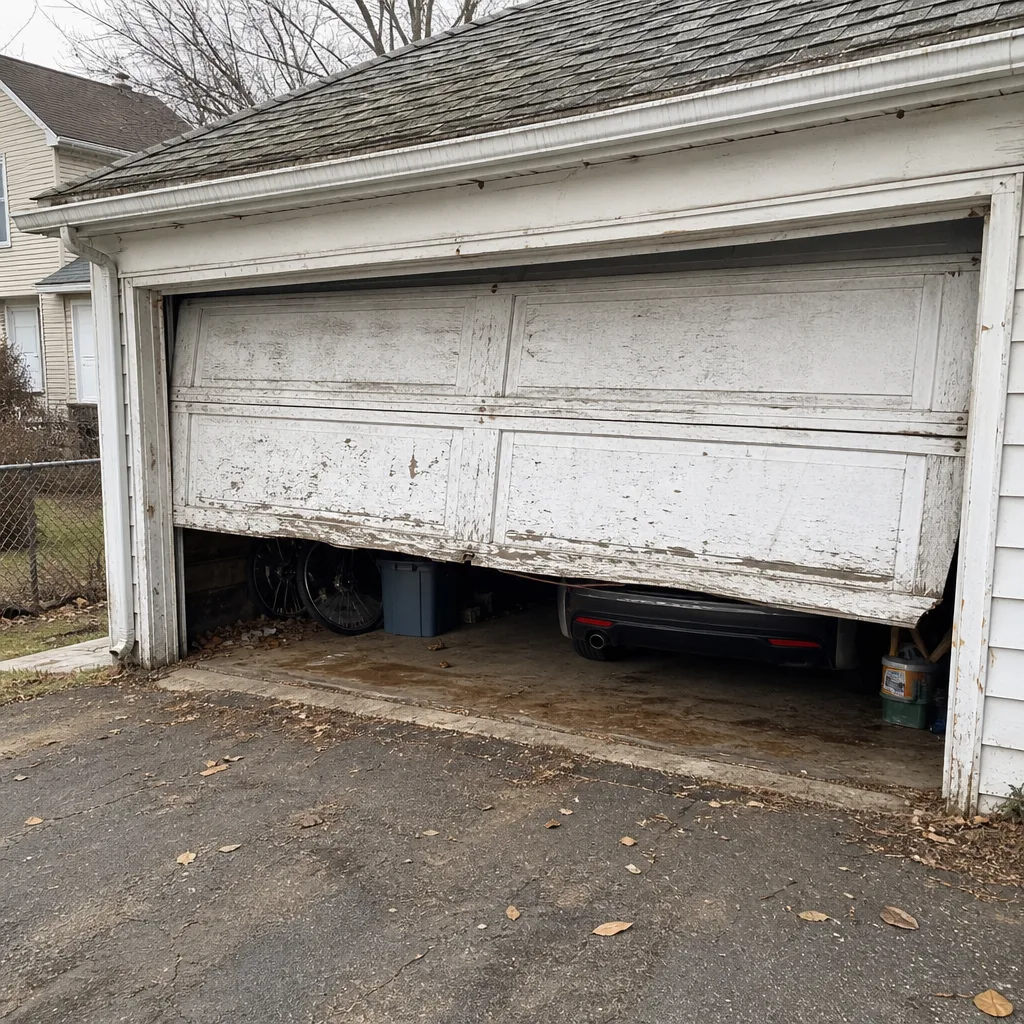 Before
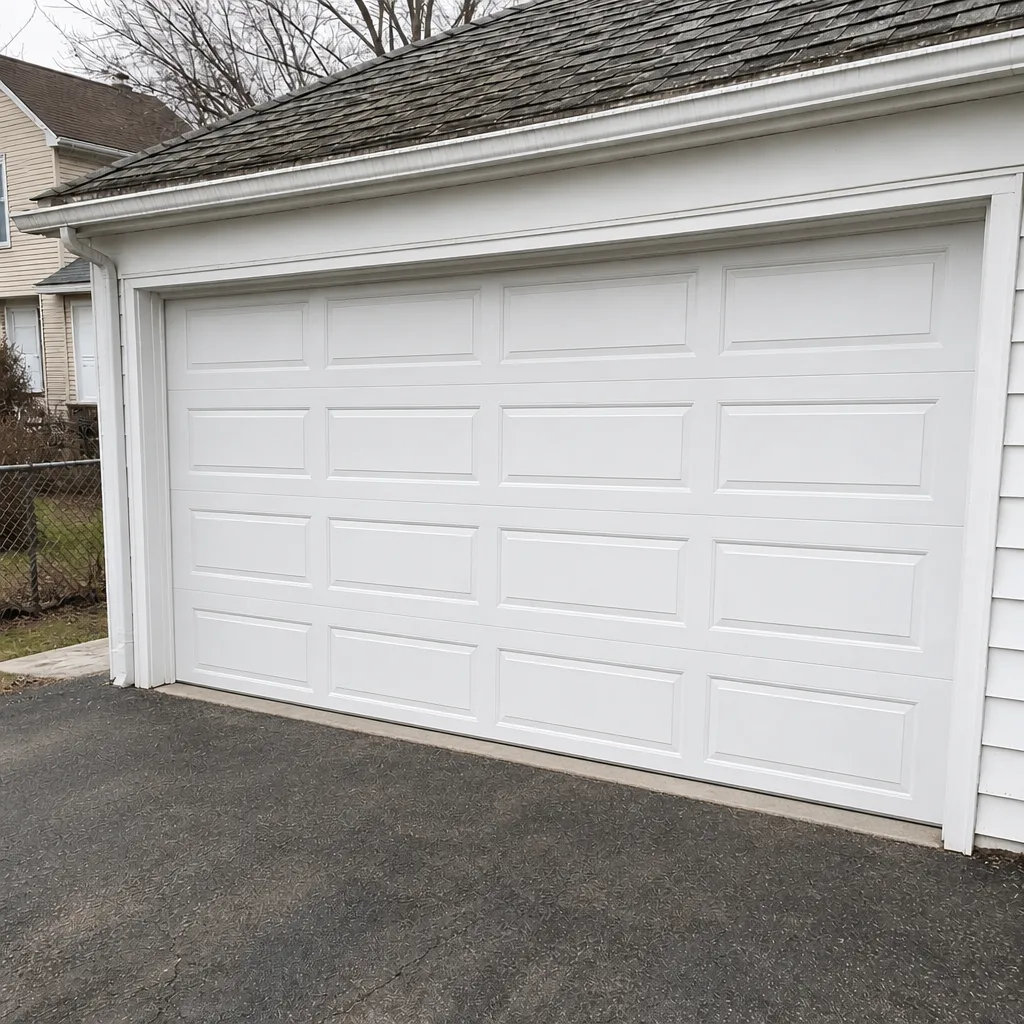 After
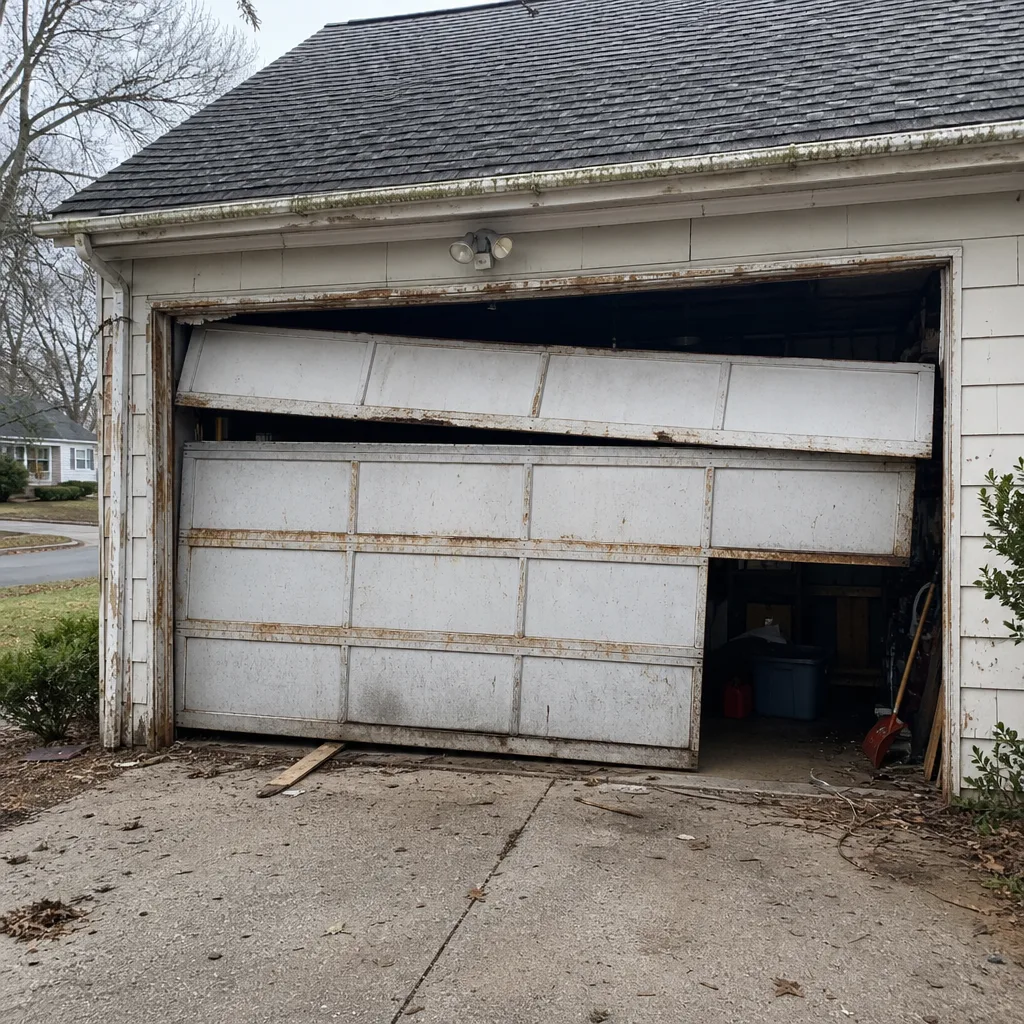 Before
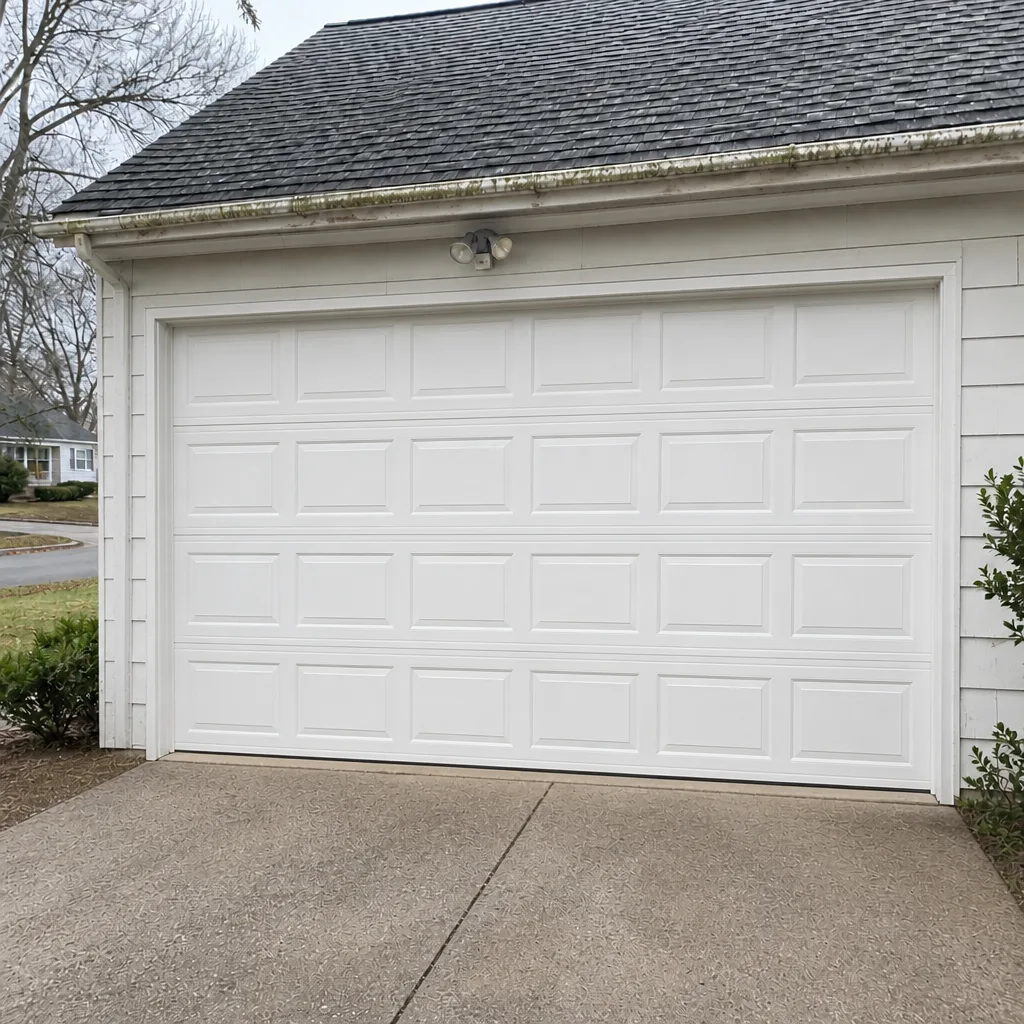 After
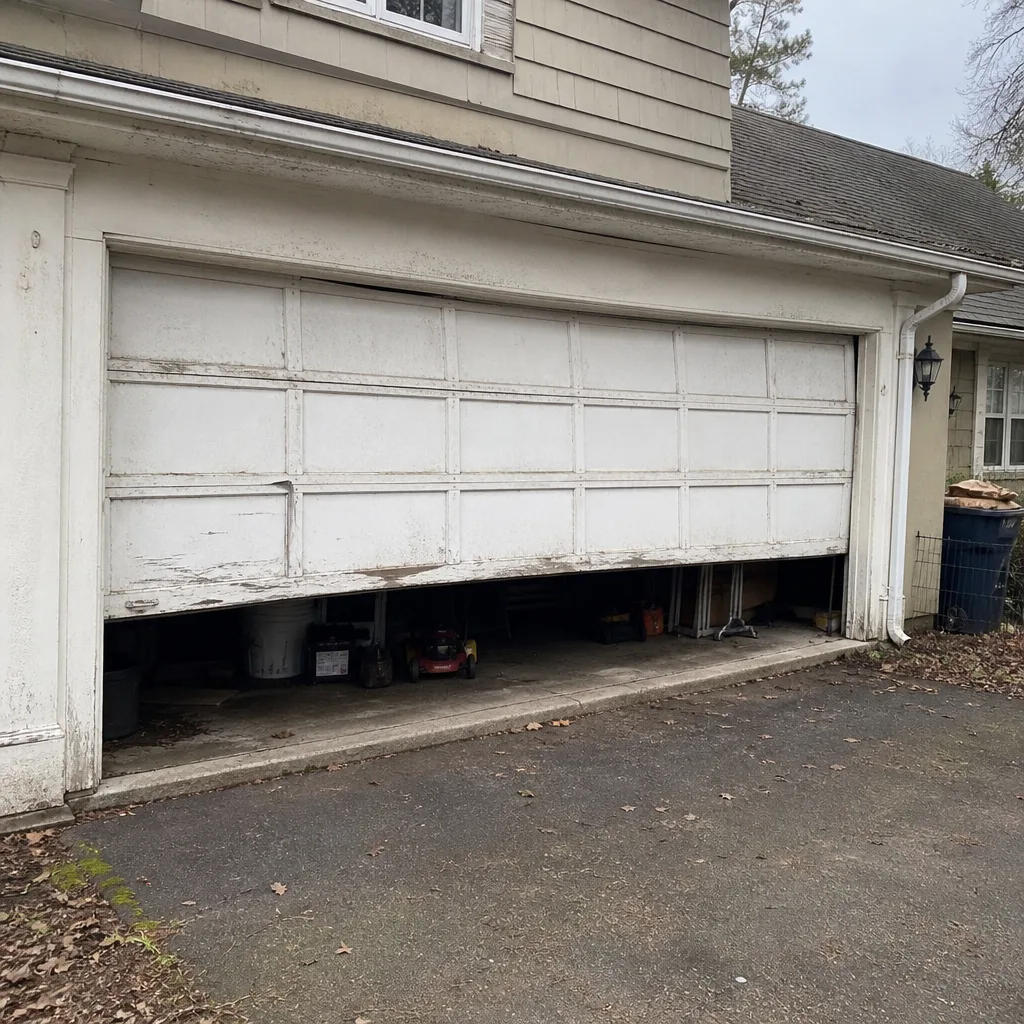 Before
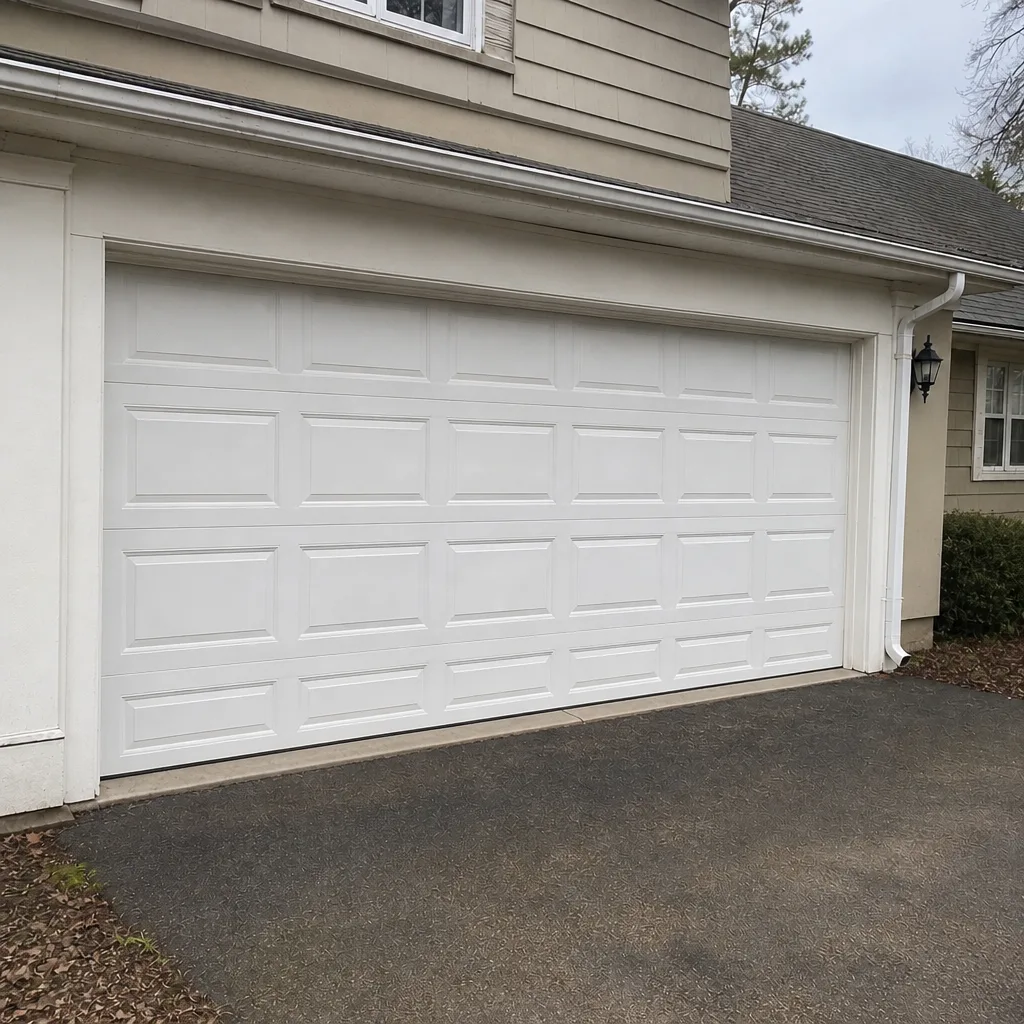 After
When to Call a Professional
Call a professional any time the question involves a spring, a cable, or a door that won’t close at night. Those three account for nearly every genuine emergency. Call when you hear a sharp bang from the garage and find the door stuck down with an obvious spring gap. Call when the door is hanging crooked or one side has dropped. Call when the door is stuck open in rain or snow and the house will be unattended. Call when the opener runs but nothing moves. And call when you’re not sure; describing the situation to someone who knows what they’re looking at takes two minutes and settles it.
Spring failure in particular is where a good technician earns their keep. We work on spring replacement as a specialized service, not a quick swap. Our technicians have up to 12 years of experience with the right tools and the right protocol for the job.
Garage Door Repair Wallingford offers free estimates in Wallingford. Call (888) 891-9574. We answer 24/7. Fast dispatch from 7am to 7pm, Sunday through Friday.
Frequently Asked Questions
Yes, if the door is fully closed, has no broken spring, and no slack cable. Pull the red manual release handle hanging from the trolley, then lift the door slowly by hand. If the door feels heavy or won’t hold position, stop and call. Never pull the release with the door already up or with a broken spring, because the door will come down hard.
No. The price is set per job by the written estimate before any work starts, and there’s no emergency surcharge, night premium, or dispatch fee. Spring replacement typically runs $180 to $340 for a single spring, and a matched pair is about double. The written quote is the price. Call (888) 891-9574 for an exact quote, and estimates are free.
Leave the opener engaged, don’t try to force the door down, and secure the opening with a heavy tarp or board screwed into the frame. Don’t prop the door with a ladder or tie it to the track; both can bend the track and add cost to the repair. Call for a technician to come look at the door.
We service the eight most widely owned residential brands: LiftMaster, Chamberlain, Genie, Clopay, Amarr, Wayne Dalton, Craftsman, and Raynor. That covers nearly every door or opener a Wallingford homeowner is likely to have. If you know the make and model, tell us when you call. If you don’t, our technicians can identify it on arrival.
No. The written estimate is agreed before any work starts, and the price you agree to is the price you pay. If a technician finds something on inspection that changes the scope, they’ll explain it and get your approval for the new price before doing the work. Nobody should be surprised by the invoice after the job.
Yes. The local pros we connect you with are state-licensed and insured as the state requires. They’re trained on the specific brands in your home, not generalists approaching the job cold. When your LiftMaster opener won’t respond or your Wayne Dalton door won’t close, they know the system before they arrive.
Don’t force the opener. Secure the opening as best you can with whatever is available, and call (888) 891-9574. A stuck door in a Wallingford storm is one of the situations that qualifies as a genuine emergency, since it exposes the home to weather and security risk. We answer 24/7. Fast dispatch from 7am to 7pm, Sunday through Friday.
The Bottom Line
A garage door emergency in Wallingford is manageable if you know the playbook before it happens. Stop pressing the remote. Check for a spring gap or slack cable. Pull the manual release only when the door is fully closed with no broken spring. Secure a door that won’t close with a tarp or board, not a ladder. Call for a technician when it’s a spring, a cable, or a door stuck open. And document the make, model, and spring photo now, while the door still works. Ten minutes of preparation turns a bad hour into a routine repair. Call (888) 891-9574 for a free estimate.
Related reading: our Garage Door Repair Wallingford overview, or the guide to garage door opener repair for the opener side of the system.
Written by the team at Garage Door Repair Wallingford.